Introduction to Mundane Astrology
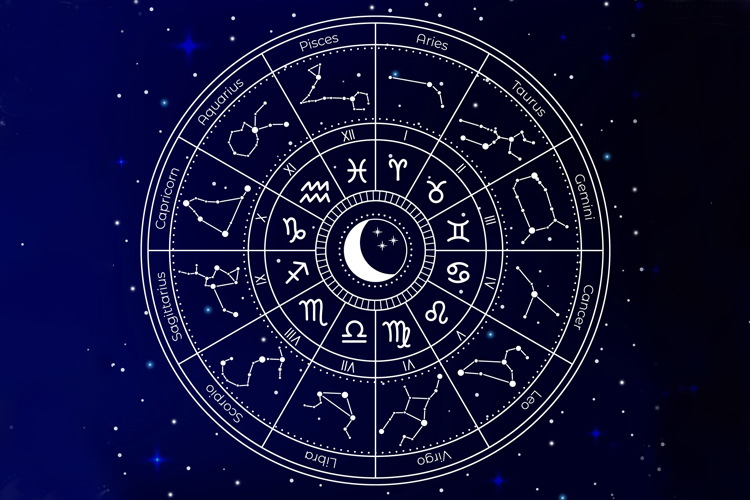
Astrological charts are the foundation of all astrological study and prediction. They serve as cosmic maps that reveal the position of planets, zodiac signs, and houses at a specific moment in time. These charts help astrologers understand human nature, destiny patterns, life events, and spiritual growth. Without charts, astrology would remain only a theoretical concept; charts make it practical and predictive.
Each type of chart has its own unique purpose and depth. Some charts explain personality and life purpose, while others focus on timing, relationships, marriage, or spiritual progress. Together, they provide a complete understanding of an individual’s life journey. Studying different charts allows astrologers to see both the outer events and inner emotional experiences of a person.
Astrological charts are not just tools for prediction—they are instruments for self-awareness, decision-making, and personal growth. They help individuals recognize strengths, overcome weaknesses, and align their actions with favorable planetary influences.
Lagna Chart (Ascendant Chart) – The Physical and External Self
The Lagna Chart, also called the Ascendant Chart, is the primary chart in astrology. It is based on the zodiac sign rising on the eastern horizon at the time of birth. The Lagna represents the physical body, outer personality, health, and how the world perceives an individual. It forms the foundation of the entire horoscope, as all twelve houses are calculated from the Ascendant.
The strength of the Lagna and its ruling planet determines vitality, confidence, and the ability to handle life’s challenges. A strong Lagna gives resilience and leadership qualities, while a weak Lagna may bring struggles in self-expression and physical well-being.
- Represents physical body and personality
- Forms the base of the horoscope
- Indicates health and vitality
- Shows self-confidence and life direction
Sun Chart – The Soul and Authority
The Sun Chart is created by placing the Sun sign as the first house and analyzing the planetary positions from it. The Sun symbolizes the soul (Atma), authority, ego, leadership, and life force. It represents self-identity, ambition, and one’s role in society.
A strong Sun gives confidence, recognition, leadership skills, and success in authoritative roles. A weak Sun may create issues related to self-esteem, recognition, or authority figures. The Sun Chart helps understand career ambition, government connections, and public image.
- Represents soul purpose and ego
- Shows leadership and authority
- Indicates public image and status
- Influences confidence and ambition
Moon Chart – The Mind and Emotions
The Moon Chart is highly significant in Vedic astrology because the Moon governs the mind, emotions, and psychological stability. It reflects how a person reacts emotionally to life situations and how they experience happiness or stress.
Since many predictive systems like Dasha and transits are analyzed from the Moon sign, this chart becomes essential for timing events and understanding mental peace. It also plays a major role in relationship compatibility and daily life experiences.
- Governs mind and emotions
- Important for transit and Dasha analysis
- Reflects emotional stability
- Influences relationships
Divisional Charts – Deeper Layers of Destiny
Divisional Charts (Varga Charts) provide a more detailed and microscopic view of different life areas. While the main birth chart gives a general overview, divisional charts focus on specific aspects like marriage (Navamsa), career (Dashamsa), wealth (Hora), and spirituality.
These charts refine predictions and confirm planetary strength. A planet that appears strong in the birth chart must also perform well in divisional charts to give full positive results. Without studying divisional charts, predictions may remain incomplete.
- Provide detailed analysis of life areas
- Confirm planetary strength
- Essential for marriage and career study
- Refine predictive accuracy
Chalit Chart (Bhav Chalit) – House Strength and Reality
The Chalit Chart, also known as the Bhav Chalit Chart, adjusts planetary positions according to house cusps. Sometimes a planet appears in one house in the Lagna chart but shifts to another house in the Chalit chart due to house calculation differences.
This chart shows the practical manifestation of planetary results in real life. It helps clarify confusion about house placement and improves prediction accuracy. Many experienced astrologers use both Lagna and Chalit charts together for precise analysis.
- Shows actual house influence of planets
- Improves predictive accuracy
- Clarifies house-related confusion
- Reflects real-life manifestation