Introduction to the 16 Directions in Vastu Shastra
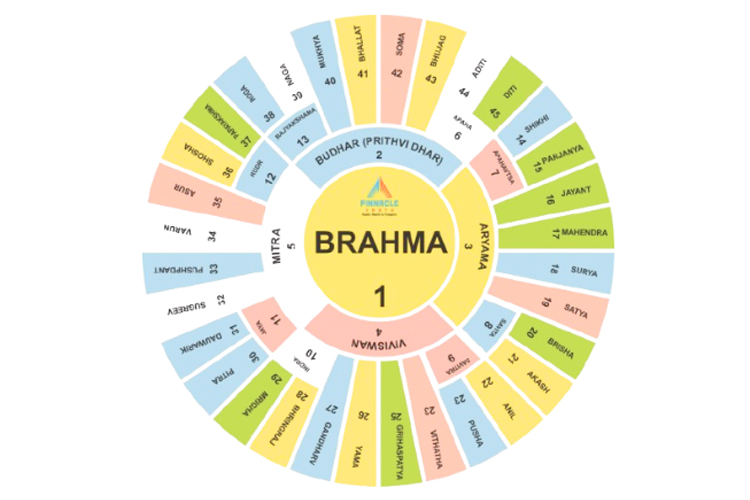
Vastu Shastra extends far beyond the basic understanding of four cardinal directions—North, South, East, and West. It introduces a more advanced and detailed framework consisting of 16 directional zones, each carrying its own unique energy, governing deity, and influence on human life. These directions are further divided into sub-directions, allowing architects and designers to create highly optimized and energy-balanced spaces.
Understanding these 16 directions enables professionals to design spaces that are not only functional but also aligned with natural energies. This deeper knowledge helps in enhancing well-being, productivity, and harmony within a built environment.
Importance of 16 Directions in Architectural Planning
Incorporating the 16 directions into architectural planning allows designers to go beyond aesthetics and focus on energy flow and spatial harmony. Each zone influences different aspects of life such as health, wealth, relationships, and mental peace. Proper placement of rooms based on these directions can significantly enhance the functionality and positivity of a space.
Architects who understand these principles can guide clients more effectively, ensuring that every area of the home or building serves its intended purpose while maintaining energetic balance.
- Enhances space planning and functionality
- Improves energy flow and positivity
- Helps in correct room placement
- Supports client well-being and lifestyle
Detailed Understanding of the 16 Vastu Directions
The 16 directions include primary and sub-directions such as Northeast (NE), East-Northeast (ENE), Southeast (SE), Southwest (SW), and others. Each direction is governed by a deity and associated with specific energies like spirituality, wealth, transformation, or movement.
For example, the Northeast is considered the most sacred zone linked with spirituality and knowledge, while the Southeast is associated with fire and is ideal for kitchens. Understanding these directional energies helps in assigning the right function to each space within a building.
- Each direction has a ruling deity
- Directions influence different life aspects
- Proper usage enhances positive outcomes
- Misalignment can disturb energy balance
Ideal Placement of Rooms According to Directions
One of the core applications of Vastu Shastra is determining the ideal placement of rooms within a structure. Each room serves a specific purpose and should be aligned with the direction that supports its function. For instance, the kitchen is best placed in the Southeast (fire zone), while the master bedroom is ideal in the Southwest for stability.
Similarly, spaces meant for spiritual practices such as pooja or meditation should be located in the Northeast to enhance peace and clarity. Correct placement ensures that the energy of the space supports the activities performed within it.
- Northeast: Pooja/meditation room
- Southeast: Kitchen
- Southwest: Master bedroom
- North/East: Entrance and living areas
Integrating Vastu Principles into Modern Design
Modern architecture often requires flexibility, and Vastu Shastra can be adapted to fit contemporary designs. Even if a structure does not perfectly align with ideal directions, adjustments through layout planning, colors, materials, and décor can help balance energies.
Designers can integrate Vastu principles seamlessly without compromising aesthetics. This includes considering natural light, ventilation, and the balance of the five elements—earth, water, fire, air, and space.
- Vastu can be adapted to modern layouts
- Use colors and materials for balance
- Focus on natural light and ventilation
- Maintain harmony of five elements
Common Vastu Guidelines and Practical Tips
While applying Vastu principles, it is important to follow certain guidelines and avoid common mistakes that may disrupt energy flow. Issues such as incorrect kitchen placement, cluttered spaces, or improper entrance direction can negatively impact harmony and well-being.
Simple remedies and mindful planning can help correct these imbalances. Consulting a Vastu expert for complex projects can further ensure accuracy and effectiveness in implementation.
- Avoid clutter and blocked spaces
- Ensure proper entrance direction
- Maintain correct room placements
- Use remedies like plants, mirrors, colors
Conclusion: Creating Harmonious Living Spaces
Understanding and applying the 16 directions of Vastu Shastra empowers architects and designers to create spaces that promote balance, prosperity, and well-being. By aligning design with natural energies, it becomes possible to enhance both the physical and emotional experience of occupants.
Whether designing a home or a commercial space, integrating Vastu principles leads to environments that feel more peaceful, functional, and energetically aligned.
- Promotes harmony and positive energy
- Enhances well-being and productivity
- Supports balanced and mindful living
- Adds value to architectural design
Frequently Asked Questions (FAQs)
Vastu Shastra often raises practical questions regarding implementation, especially in modern homes. From entrance direction to kitchen placement and remedies, understanding these FAQs helps in applying Vastu principles effectively in real-life situations.
- Best entrance: North, East, or Northeast
- Kitchen: Southeast or Northwest
- Bedroom: Southwest
- Use compass for accurate direction
Understanding the 16 Directions of Vastu Shastra
Let's explore each of the 16 directions, their governing deities, and their recommended placements within a building:
Northeast (NE) – The Zone of Spiritual Awakening
- Deity: Lord Shiva (Ishana)
- Energy: Spirituality, peace, wisdom
- Ideal Use: Pooja room, meditation, study
East-Northeast (ENE) – Growth Zone
The East-Northeast direction is associated with progress, ambition, and intellectual development. Governed by Indra, this zone supports learning and forward movement in life. It is especially beneficial for children and students, making it ideal for study rooms or children's bedrooms. Proper use of this space can encourage focus, creativity, and academic success.
- Deity: Indra
- Energy: Progress, ambition, education
- Ideal Use: Study room, children's room
East (E) – Vitality Zone
The East direction is ruled by Surya, the Sun God, and symbolizes life, energy, and new beginnings. It is the source of natural light and positivity, making it highly beneficial for health and vitality. Living rooms, entrances, and balconies are best placed here to allow maximum sunlight, which helps create a fresh, energetic, and uplifting environment in the home.
- Deity: Surya
- Energy: Health, energy, new beginnings
- Ideal Use: Living room, entrance, balcony
East-Southeast (ESE) – Transformation Zone
The East-Southeast zone is governed by Agni, the Fire God, and is closely linked to transformation, digestion, and passion. This makes it an ideal location for the kitchen, where cooking activities align with the fire element. Proper placement of the kitchen in this direction supports good health, balanced metabolism, and overall energy within the household.
- Deity: Agni
- Energy: Digestion, passion, transformation
- Ideal Use: Kitchen
Southeast (SE) – Fire Zone
The Southeast direction is strongly influenced by the fire element and represents power, activity, and drive. Also ruled by Agni, this zone is suitable for electrical equipment, appliances, or even a secondary kitchen setup. It is important to maintain proper ventilation here to balance the intense energy and avoid overheating or stress within the environment.
- Deity: Agni
- Energy: Power, drive, activity
- Ideal Use: Electricals, secondary kitchen
South (S) – Ancestral Zone
The South direction is associated with the Pitris, or ancestors, and symbolizes respect, stability, and grounding. This zone carries a calm and serious energy, making it suitable for storage or, in some cases, an alternative pooja area if needed. Keeping this area organized and free from clutter helps maintain peace and a sense of balance in the home.
- Deity: Pitris
- Energy: Stability, respect
- Ideal Use: Storage, alternative pooja
South-Southwest (SSW) – Wealth Stability Zone
The South-Southwest direction is linked with financial stability and security and is governed by Kubera, the deity of wealth. This zone is ideal for placing the master bedroom, lockers, or safes, as it helps strengthen financial conditions and long-term stability. Utilizing this space properly can enhance a sense of control and economic well-being.
- Deity: Kubera
- Energy: Wealth, security
- Ideal Use: Master bedroom, locker
Southwest (SW) – Relationship Zone
The Southwest direction represents stability, relationships, and emotional strength. Ruled by Yama, it is often associated with transformation and grounding energy. This makes it an excellent location for the master bedroom or a guest room, as it supports strong relationships, trust, and long-term bonding among family members.
- Deity: Yama
- Energy: Stability, relationships
- Ideal Use: Master bedroom, guest room
West (W) – Fulfillment Zone
The West direction is governed by Varuna and Vayu and is associated with creativity, enjoyment, and fulfillment. It supports social interactions and relaxation, making it suitable for living rooms or children's play areas. This zone encourages happiness, bonding, and a sense of satisfaction in everyday life.
- Deity: Varuna & Vayu
- Energy: Creativity, enjoyment
- Ideal Use: Living room, play area
Northwest (NW) – Movement Zone
The Northwest direction, ruled by Vayu (the Wind God), represents movement, change, and dynamic energy. It is ideal for spaces that involve activity or temporary stays, such as guest rooms, staircases, or storage areas. This zone promotes circulation, communication, and progress, making it important for maintaining flow within the house.
- Deity: Vayu
- Energy: Change, movement
- Ideal Use: Guest room, staircase, storage
North-Northwest (NNW) – Support Zone
The North-Northwest zone is associated with support, balance, and structural stability, although it is not governed by a specific deity. It is a good location for placing heavy furniture or storage units, as it helps maintain physical and energetic balance in the space. Proper use of this area contributes to a grounded and stable environment.
- Deity: Not defined
- Energy: Stability, support
- Ideal Use: Storage, heavy furniture
North (N) – Prosperity Zone
The North direction is ruled by Kubera and is strongly connected with wealth, opportunities, and career growth. It is one of the most important zones for financial success and professional advancement. Offices, study rooms, and cash lockers are ideally placed here to attract prosperity, growth, and new opportunities.
- Deity: Kubera
- Energy: Success, growth
- Ideal Use: Office, study, cash locker
North-Northeast (NNE) – Intuition Zone
The North-Northeast direction is governed by Brihaspati (Guru) and represents wisdom, intuition, and higher learning. This zone is perfect for meditation spaces, libraries, or quiet study areas. It enhances clarity of thought, creativity, and spiritual awareness, making it beneficial for personal development.
- Deity: Brihaspati
- Energy: Knowledge, inspiration
- Ideal Use: Meditation, library
West-Southwest (WSW) – Discipline Zone
The West-Southwest zone is ruled by Brahma and is associated with discipline, education, and self-improvement. It supports focus and structured thinking, making it a suitable alternative for study rooms or children's bedrooms. This direction encourages consistency, responsibility, and growth in learning.
- Deity: Brahma
- Energy: Learning, focus
- Ideal Use: Study, children's room
West-Northwest (WNW) – Continuity Zone
The West-Northwest direction is connected with the Pitris and symbolizes continuity, legacy, and future generations. While not ideal for primary living spaces, it can be used for storage or as an alternative play area. Maintaining cleanliness in this zone helps ensure smooth progress and generational harmony.
- Deity: Pitris
- Energy: Legacy, future growth
- Ideal Use: Storage, play area
North-Northeast (NNE) – Abundance Zone
This zone is associated with Indra and represents abundance, success, and overall well-being. It can be used as an alternative space for storage or even a pooja area if required. Proper utilization of this direction supports growth, positivity, and a healthy living environment.
- Deity: Indra
- Energy: Prosperity, health
- Ideal Use: Storage, alternative pooja