Introduction – The Spiritual Importance of Shukla Paksha & Krishna Paksha
In Vedic astrology and the lunar calendar system, time is deeply connected with the movement and phases of the Moon. The waxing and waning cycles of the Moon are divided into two important halves known as Shukla Paksha and Krishna Paksha. These two lunar fortnights are not only astronomical phases but also carry deep spiritual, psychological, and energetic significance. They influence human emotions, rituals, spiritual practices, and even the outcomes of actions initiated during these periods.
Shukla Paksha represents growth, expansion, positivity, and manifestation, while Krishna Paksha symbolizes withdrawal, introspection, cleansing, and spiritual surrender. Together, they reflect the eternal rhythm of increase and decrease, light and darkness, action and reflection. Understanding these phases helps individuals align their actions with cosmic timing for better results.
Shukla Paksha – The Phase of Growth and Expansion
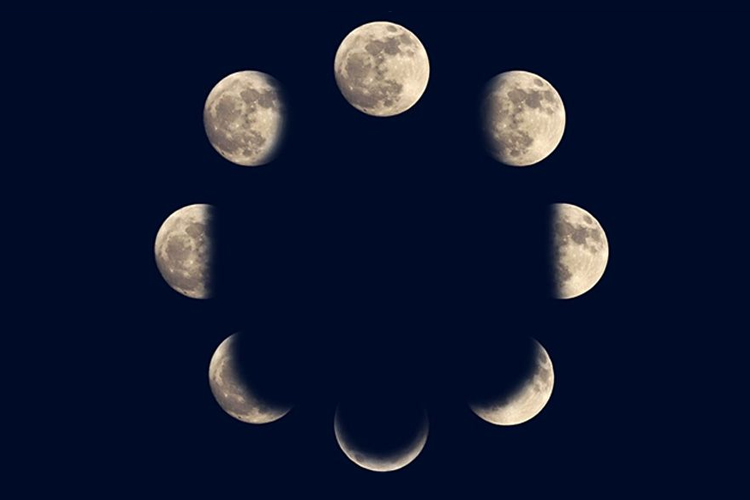
Shukla Paksha begins right after Amavasya (New Moon) and continues until Purnima (Full Moon). During this phase, the Moon gradually increases in brightness, symbolizing growth, positivity, hope, and expansion. Energetically, it is considered an auspicious period for starting new ventures, performing religious ceremonies, and making important life decisions.
This phase is associated with outward movement, productivity, creativity, and material progress. The increasing lunar light strengthens emotional stability and optimism. Many festivals and sacred rituals are celebrated during this period because it enhances positive vibrations and spiritual merit.
- Ideal for new beginnings and investments
- Enhances positivity and confidence
- Favors marriage and auspicious ceremonies
- Supports spiritual practices and charity
Krishna Paksha – The Phase of Introspection and Release
Krishna Paksha begins after Purnima (Full Moon) and continues until Amavasya (New Moon). During this phase, the Moon gradually decreases in brightness, symbolizing withdrawal, reflection, detachment, and spiritual purification. It is a powerful time for introspection and letting go of negativity.
This period encourages internal healing, meditation, and spiritual discipline. While it may not be considered highly favorable for major worldly beginnings, it is extremely beneficial for spiritual practices, repentance, and karmic cleansing. The decreasing Moon energy helps individuals release emotional burdens and prepare for renewal.
- Suitable for meditation and inner reflection
- Supports detoxification and cleansing rituals
- Encourages letting go of negativity
- Promotes spiritual growth
Psychological Influence of Waxing and Waning Moon
The Moon governs the mind and emotions in Vedic astrology. Therefore, its waxing and waning phases significantly affect mental stability and emotional behavior. During Shukla Paksha, people often feel more energetic, optimistic, and socially active. In contrast, Krishna Paksha may bring sensitivity, deeper thinking, and emotional processing.
These changes are subtle yet powerful. Many astrologers observe mood patterns, decision-making tendencies, and productivity cycles according to lunar phases. Understanding this psychological rhythm allows individuals to plan actions according to their emotional strength.
- Affects mood and emotional clarity
- Influences decision-making ability
- Impacts productivity cycles
- Guides personal planning
Spiritual and Ritual Significance
Both Pakshas hold immense religious importance in Hindu traditions. Many sacred observances are carefully timed according to lunar phases. Shukla Paksha is often chosen for auspicious rituals, while Krishna Paksha is preferred for ancestral rites and spiritual austerities.
Fasts, prayers, mantra chanting, and pilgrimage activities are influenced by these lunar cycles. The waxing Moon supports manifestation prayers, while the waning Moon supports purification and karmic correction. Thus, both phases complement each other in spiritual practice.
- Determines timing of religious festivals
- Supports mantra chanting and meditation
- Guides fasting and vrata observances
- Influences ancestral rituals
Impact on Muhurta (Auspicious Timing)
In electional astrology (Muhurta), the choice between Shukla Paksha and Krishna Paksha plays a vital role. Generally, Shukla Paksha is preferred for initiating long-term projects, marriages, business deals, and ceremonies. The growing Moon symbolizes increasing success and prosperity.
Krishna Paksha, while less chosen for material beginnings, is suitable for research, spiritual retreats, and tasks that require concentration and detachment. Proper understanding of Paksha ensures better timing and reduces obstacles.
- Helps select auspicious dates
- Enhances success of new ventures
- Reduces obstacles through proper timing
- Suitable timing for spiritual retreats
Symbolism of Light and Darkness in Life
Shukla Paksha and Krishna Paksha symbolize the eternal balance between light and darkness. Just as the Moon grows and diminishes, human life also experiences cycles of expansion and contraction. Growth cannot exist without rest, and success requires reflection.
These lunar phases teach the wisdom of timing—when to act and when to withdraw. By aligning with this cosmic rhythm, individuals can maintain balance in material pursuits and spiritual development.
- Represents balance of light and darkness
- Teaches timing of action and rest
- Encourages harmony with natural cycles
- Reflects life's ups and downs