Introduction to Havans
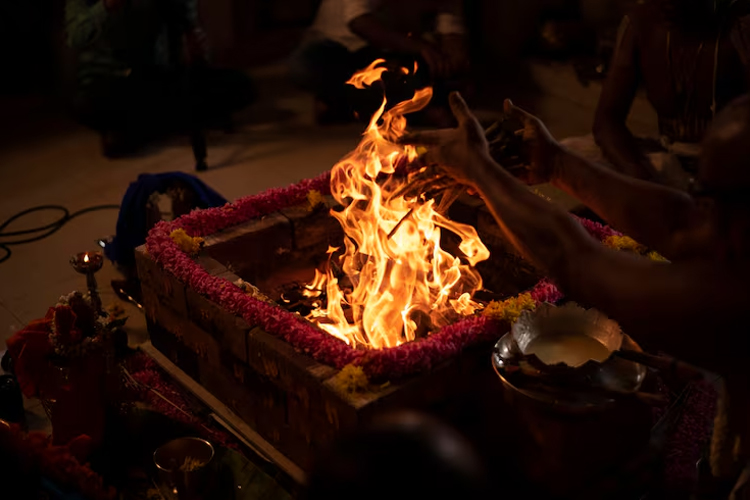
Havans, also known as Homas or Yajnas, are sacred fire rituals performed to invoke divine energies and purify the surrounding environment. Fire (Agni) is considered a messenger between humans and the divine, carrying offerings and prayers to higher realms. Through havans, negative energies are believed to be removed while positivity, peace, and prosperity are invited.
These rituals have been an integral part of Vedic tradition for thousands of years and are performed for personal well-being, family harmony, and spiritual upliftment. Havans combine mantras, offerings, and disciplined procedures to create a powerful spiritual atmosphere.
Spiritual Significance of Fire in Havans
Fire holds deep symbolic and spiritual meaning in Vedic rituals. It represents purity, transformation, and divine consciousness. In havans, offerings made into the fire symbolize surrender of ego and desires, allowing spiritual growth and clarity.
The energy generated by fire and mantra chanting is believed to cleanse subtle energies, remove obstacles, and strengthen spiritual vibrations. This makes havans effective for both material and spiritual objectives.
- Fire symbolizes purity and transformation
- Represents divine presence
- Burns negativity and obstacles
- Enhances spiritual vibrations
Types of Havans and Their Purposes
There are various types of havans performed for specific intentions. Some are conducted for peace, health, and prosperity, while others focus on planetary remedies, protection, or spiritual awakening. Examples include Navagraha Havan, Maha Mrityunjaya Havan, Lakshmi Havan, and Graha Shanti Havan.
Each havan follows a specific set of mantras and procedures. Selecting the right havan depends on personal needs, astrological factors, and spiritual guidance.
- Purpose-based havans
- Planetary and deity-focused rituals
- Customized for personal goals
- Guided by astrology and tradition
Astrological Importance of Havans
In astrology, havans are considered powerful remedies to reduce malefic planetary influences and strengthen benefic planets. The vibrations created during havans are believed to work at deep karmic levels, helping neutralize negative effects indicated in the birth chart.
Havans are often recommended during planetary transitions, dosha periods, or major life events. Performing them at the right time amplifies their astrological impact.
- Reduce negative planetary effects
- Strengthen beneficial planets
- Work at karmic levels
- Effective during planetary transitions
Procedure, Timing, and Discipline
A havan must be performed according to prescribed rituals to achieve desired results. Proper preparation, purity, mantra pronunciation, and offerings are essential. Timing plays a vital role, as havans are often conducted during auspicious muhurta or specific planetary periods.
Discipline and sincerity during the ritual enhance its effectiveness. Even a simple havan, when done with devotion and accuracy, can bring significant spiritual benefits.
- Requires proper ritual procedure
- Timing enhances effectiveness
- Discipline and purity are essential
- Sincerity matters more than scale
Benefits and Integration into Daily Life
The benefits of havans extend beyond the ritual itself. Regular havans are believed to promote peace, health, clarity, and positivity in daily life. They create a protective spiritual environment and strengthen faith and emotional balance.
Havans can be performed on special occasions, festivals, or periodically for maintenance of spiritual harmony. Integrating havans with prayers, mantras, and donations creates a holistic spiritual practice.
- Promote peace and positivity
- Improve mental and emotional balance
- Create protective spiritual energy
- Complement other spiritual practices