Introduction to Prayer Room Vaastu
In Vastu Shastra, the prayer room (Puja Room) is considered the most sacred and spiritually charged space in a home. It is not just a physical area for worship, but a center of divine energy where positive vibrations are generated and circulated throughout the house. A properly designed prayer room enhances peace of mind, strengthens family harmony, and creates a protective spiritual aura around the household.
Since this space connects the residents with higher energies, its direction, placement, design, colors, and daily usage must follow proper Vaastu principles. When the prayer room is placed correctly, it attracts clarity, prosperity, and emotional balance. However, improper placement may reduce focus during worship and create restlessness or spiritual disconnect. Therefore, careful planning of the prayer room is essential while designing or renovating a home.
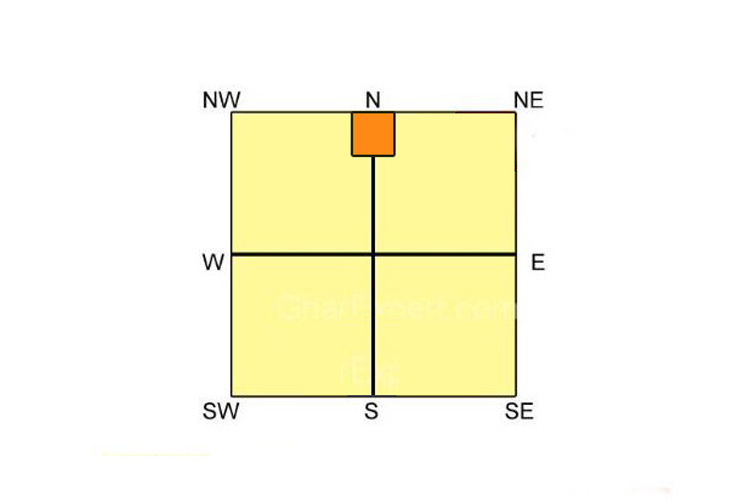
Ideal Direction for Prayer Room
The North-East (Ishan Kon) is considered the most auspicious direction for a prayer room. This direction is associated with spiritual growth, wisdom, and divine blessings. Keeping the prayer room in the North-East allows maximum flow of positive cosmic energy into the house.
East and North directions are also considered favorable. These directions are linked with growth, knowledge, and prosperity. However, the South-West, South, or under-staircase areas should be avoided for prayer rooms, as these locations may suppress spiritual energy. Bathrooms adjacent to or above/below the prayer room should also be avoided to maintain sanctity.
- North-East is the best direction for a prayer room
- East and North directions are also favorable
- Avoid South-West and under-staircase placement
- Avoid placing near or below bathrooms
- Proper direction enhances spiritual growth
Placement of Idols and Deities
The placement of idols and pictures of deities plays a significant role in maintaining positive vibrations. Idols should ideally face West or East so that the person praying faces East or North while worshipping. Facing East during prayer increases concentration and positivity.
Idols should not be placed directly on the floor; a clean wooden or marble platform is recommended. Broken or damaged idols should not be kept in the prayer room, as they may disturb the energy balance. Additionally, avoid keeping too many idols in a small space, as overcrowding can create energetic imbalance.
- Pray facing East or North for better concentration
- Idols should never touch the floor directly
- Avoid keeping broken or damaged idols
- Maintain an organized and uncluttered arrangement
Design, Colors & Materials
The design of the prayer room should be simple, calm, and spiritually uplifting. Light colors such as white, cream, light yellow, or light blue are ideal, as they promote peace and clarity. Avoid dark shades like black or dark red in this sacred area.
Wood and marble are considered the best materials for constructing the mandir. The door of the prayer room should ideally open inward and may have two shutters. It is also recommended to have proper ventilation and natural light in the space. A small window in the East direction is considered highly beneficial.
- Use light and soothing colors like white or cream
- Prefer marble or wood as construction materials
- Avoid dark shades such as black or dark red
- Door should open inward with two shutters if possible
Lighting, Agni (Lamp) & Storage
Lighting in the prayer room should be soft yet sufficient. Natural light in the morning is highly auspicious. During worship, lighting a diya (lamp) in the South-East corner of the prayer room is considered ideal, as this direction represents the fire element.
Incense sticks, camphor, and other worship items should be stored neatly in closed cabinets. Avoid storing unnecessary items, money, or valuables inside the mandir area. The prayer room should remain exclusively dedicated to spiritual practices. Cleanliness and daily maintenance are extremely important to maintain positive vibrations.
- Light the diya in the South-East corner during worship
- Use soft and warm lighting throughout the room
- Keep all storage organized and neatly closed
- Do not store valuables or unrelated items inside
Common Mistakes & Remedies
Many homes unknowingly place the prayer room in bedrooms or near bathrooms due to space limitations. While adjustments can be made in apartments, certain basic rules should still be followed to minimize negative impact. If the prayer room is not in the ideal direction, keeping the idols facing the proper direction and maintaining strict cleanliness can help balance energies.
Mirrors should not reflect the idols, and the prayer room should not share a wall with a toilet if possible. If structural changes are not feasible, simple remedies like placing a copper strip at the threshold or using light colors can help harmonize the space effectively.
- Avoid bedroom placement for the prayer room if possible
- Do not place the prayer room near or beside toilets
- Avoid mirrors that reflect idols or deity images
- Maintain correct direction of idols at all times