Meaning and Spiritual Significance of Vahana Puja
Vahana Puja is a traditional Hindu ritual performed to bless and protect vehicles such as cars, trucks, buses, motorcycles, tractors, and other modes of transport. The word "Vahana" means vehicle, and the puja is conducted to seek divine protection for safe journeys and smooth functioning of the vehicle. In many families and businesses, a new vehicle is considered a symbol of progress and prosperity, and performing a puja before using it regularly is seen as a way of expressing gratitude and devotion.
Devotees often invoke the blessings of Lord Ganesha, the remover of obstacles, along with other divine energies to ensure protection from accidents, mechanical problems, and negative influences. The puja reflects the belief that every object used in daily life should be respected and purified through spiritual practices.
Through Vahana Puja, devotees express faith in divine guidance and seek safety, prosperity, and success in their travels and transportation-related activities.
Auspicious Occasions for Performing Vahana Puja
Vahana Puja is typically performed at the time of purchasing a new vehicle, but it can also be conducted on other auspicious occasions. Many people choose special festivals or spiritually significant days to perform this ritual. The puja is especially popular during Vijayadashami, when tools, machinery, and vehicles are worshipped as part of traditional celebrations.
Some individuals also perform Vahana Puja before starting a long journey or beginning transportation-related business activities. Choosing an auspicious day and time according to traditional beliefs is considered beneficial for receiving divine blessings.
The purpose of selecting an appropriate occasion is to begin the use of the vehicle with positivity and spiritual protection.
- Commonly performed when purchasing a new vehicle
- Often conducted during Vijayadashami festival
- Can be done before long journeys
- Suitable for starting transport or logistics businesses
- Auspicious timing enhances spiritual significance
Preparation and Arrangement for Vahana Puja
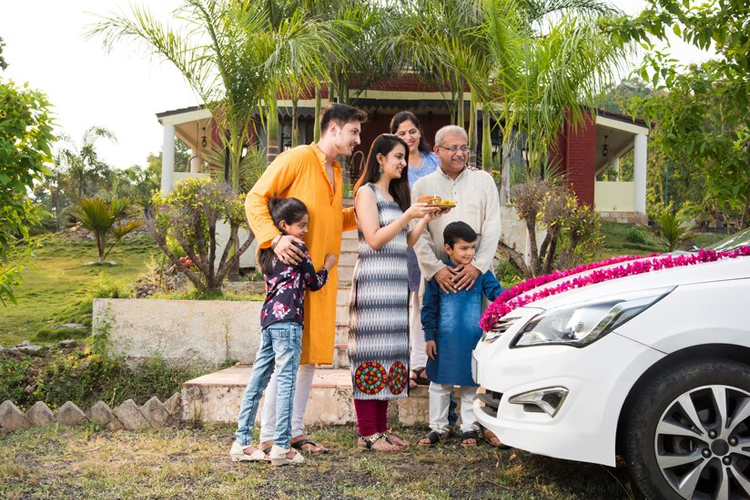
Proper preparation is important before performing Vahana Puja. The vehicle is usually cleaned and decorated to symbolize purity and respect. Devotees decorate the vehicle with flowers, garlands, turmeric, kumkum, and sometimes colorful ribbons to create a festive and spiritual appearance.
A small puja setup is arranged near the vehicle, which may include a picture or idol of Lord Ganesha, incense sticks, lamps, fruits, coconut, and sweets. These items are used as offerings during the ritual to express devotion and gratitude.
The preparation process helps create a peaceful atmosphere where the puja can be performed with concentration and devotion. It also symbolizes the beginning of a positive relationship between the owner and the vehicle.
- Clean and decorate the vehicle before the puja
- Use flowers, garlands, turmeric, and kumkum
- Arrange puja items such as lamp, coconut, and fruits
- Place a small idol or image of Lord Ganesha
Ritual Process and Traditional Practices
The Vahana Puja ceremony begins with prayers to Lord Ganesha to remove obstacles and ensure the success of the ritual. The priest or devotee lights a sacred lamp and offers flowers, incense, and sweets while chanting prayers and mantras.
One of the common rituals involves breaking a coconut in front of the vehicle as a symbol of removing negativity and welcoming good fortune. Devotees may also apply turmeric and kumkum on the vehicle and place garlands on the front side as a mark of respect and devotion.
The ritual concludes with an aarti, where light is offered to the deity while devotees pray for safe travels and protection from accidents.
- Begin with prayers to Lord Ganesha
- Offer flowers, incense, and sweets
- Break coconut as a symbol of removing negativity
- Decorate the vehicle with garlands and sacred marks
Benefits and Beliefs Associated with Vahana Puja
Vahana Puja is believed to bring numerous benefits to vehicle owners and drivers. Devotees perform this ritual to seek divine protection from accidents, mechanical failures, and unexpected problems while traveling. The puja is also believed to bring good fortune and smooth operation of the vehicle.
Many individuals who work in transportation businesses perform Vahana Puja regularly to ensure safety and success in their profession. It also helps create a sense of responsibility and respect toward the vehicle used for daily work and travel.
The ritual reinforces the belief that divine blessings can bring protection, prosperity, and peace during journeys.
- Seeks protection from accidents and mishaps
- Brings positivity and prosperity
- Ensures smooth functioning of the vehicle
- Important for transport and logistics professionals
Cultural Importance and Modern Relevance of Vahana Puja
Vahana Puja remains an important cultural tradition in many parts of India even in modern times. People from different professions and backgrounds perform this ritual as a way of combining spiritual beliefs with everyday life. The practice reflects respect for tools and machines that support human activities.
In modern society, vehicles are essential for work, travel, and business operations. Performing Vahana Puja symbolizes the beginning of responsible and mindful use of these resources. It also strengthens faith and creates a positive emotional connection with the vehicle.
By maintaining this tradition, devotees continue to honor cultural values while seeking safety and prosperity in their journeys.
- Widely practiced across India
- Combines spirituality with modern lifestyle
- Encourages respect for machines and tools
- Strengthens cultural traditions