Rahu in 10th House and Ketu in 4th House – Introduction
In Vedic astrology, the Rahu–Ketu axis highlights karmic lessons related to ambition, responsibility, emotional security, and public life. When Rahu occupies the 10th House and Ketu is placed in the 4th House, the native is strongly driven toward career success, authority, and social recognition, while learning detachment from emotional comfort, home life, and inner security.
This placement creates powerful ambition and a desire for achievement, often placing career above personal or domestic matters.
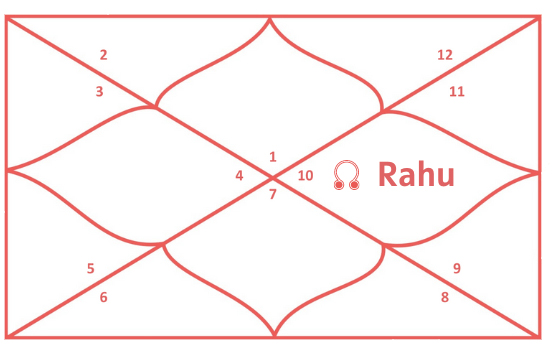
Key Significations of Rahu-Ketu Axis
The Rahu-Ketu axis in the 10th and 4th Houses creates a karmic pull between professional ambition and emotional security. This axis shapes the native's relationship with career, authority, public image, and their inner need for home comfort, family, and emotional stability.
- Rahu represents ambition, authority, and worldly success
- Ketu represents detachment, inner security, and karmic lessons
- The axis influences career, public image, home, and emotional stability
- Rahu pushes the native toward leadership and professional growth
- Ketu teaches emotional independence and inner balance
Rahu in 10th House
Rahu in the 10th House creates strong ambition, leadership qualities, and a desire for recognition. The native may achieve success in politics, business, management, or public roles. This placement often brings fame, authority, and influence, especially through unconventional or foreign means.
While Rahu boosts career growth, it may also cause workaholism or ethical dilemmas if ambition is not balanced with integrity.
- Strong ambition and leadership skills
- Success in career, politics, or public roles
- Recognition through unconventional or foreign paths
- Ability to rise to positions of authority
Ketu in 4th House
Ketu in the 4th House brings detachment from home, emotional comfort, and family attachments. The native may feel internally restless or emotionally disconnected, even when surrounded by comfort. There may be frequent changes of residence or emotional distance from the mother.
This placement encourages inner peace through detachment and spiritual understanding rather than reliance on external comfort.
- Emotional independence and inner strength
- Reduced attachment to material comforts
- Spiritual inclination and introspection
- Ability to find peace within rather than externally
Rahu-Ketu Axis – Overall Effects
The Rahu–Ketu axis with Rahu in the 10th House and Ketu in the 4th House highlights the karmic balance between professional ambition and emotional fulfillment. Rahu drives success, authority, and public recognition, while Ketu teaches detachment from emotional dependency and material comfort.
When balanced, this axis leads to powerful career success combined with inner stability and spiritual maturity.
- Strong career ambition and public recognition (Rahu)
- Detachment from emotional comfort and home matters (Ketu)
- Karmic lessons through balancing career and personal life
- Leadership and authority through unconventional paths
- Inner peace achieved through emotional independence