Introduction – Understanding Pitra Dosha in Vedic Astrology
In Vedic astrology, Pitra Dosha is considered a karmic imbalance connected to one’s ancestors. The word “Pitra” refers to forefathers, and “Dosha” means defect or imbalance. According to classical texts like Brihat Parashara Hora Shastra, ancestral karma can influence present life events through planetary placements, especially involving the Sun, Rahu, Ketu, and the 9th house.
Pitra Dosha is believed to arise when ancestors were not properly honored, or when certain karmic duties were left incomplete. This dosha may manifest as repeated obstacles, delay in marriage, financial instability, childbirth issues, or family disputes. Remedies focus on gratitude, rituals, and balancing karmic debts.
Planetary Combinations Responsible for Pitra Dosha
Pitra Dosha is often formed when malefic planets like Rahu or Ketu are placed with the Sun or in the 9th house. The 9th house represents father, fortune, and ancestors. If this house is afflicted by Saturn, Rahu, or Mars, ancestral imbalance may arise.
Eclipses in the birth chart (Sun–Rahu or Moon–Rahu conjunction) are strong indicators. The presence of Rahu in the 9th house or the Sun placed in the 6th, 8th, or 12th house with malefic influence can intensify the dosha.
- Sun–Rahu conjunction (Grahan Yoga)
- Rahu in 9th house
- Afflicted 9th house lord
- Malefics in 9th house
Effects of Pitra Dosha in Different Areas of Life
The impact of Pitra Dosha can vary depending on house placement and planetary strength. It may cause repeated failures despite hard work, strained relationship with father, health issues, or difficulty in having children.
In some cases, individuals may experience sudden financial loss or emotional instability. Spiritual dissatisfaction and recurring family conflicts are also common signs.
- Career obstacles and financial instability
- Delays in marriage
- Problems related to father
- Childbirth difficulties
Role of the 9th House and Sun in Pitra Dosha
The 9th house is known as the house of dharma, blessings, and ancestors. A strong and well-placed Sun indicates blessings from forefathers. However, if the Sun is eclipsed or heavily afflicted, ancestral karma becomes active.
The Sun represents father and lineage. When it is weak or placed with Rahu/Ketu, it may indicate unresolved ancestral duties. Strengthening the Sun often helps reduce the effects of Pitra Dosha.
- 9th house = ancestors and fortune
- Sun = father and lineage
- Afflicted Sun increases karmic imbalance
- Strong Sun reduces dosha impact
Pitra Dosha and Pitru Paksha Significance
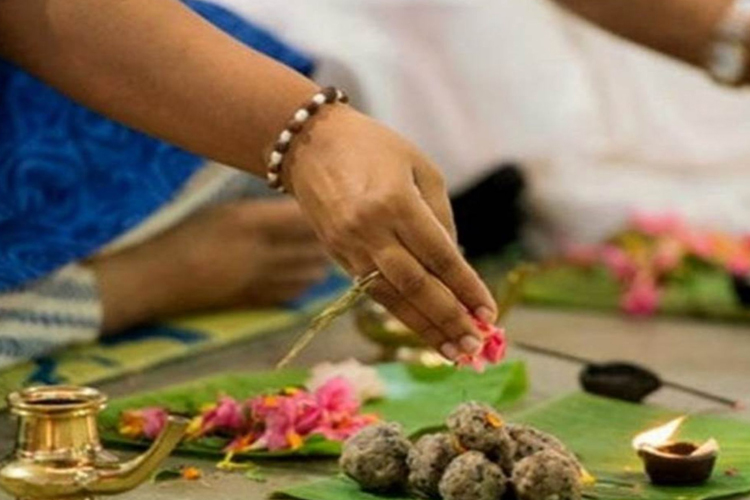
The period of Pitru Paksha, observed during the waning phase of the Moon, is especially important for ancestral rituals. It usually falls in the Hindu lunar month of Bhadrapada and ends on Amavasya. Rituals like Shraddha and Tarpan are performed to satisfy ancestors.
During this time, offering food, water, and prayers is believed to reduce karmic debts. Performing these rituals sincerely can balance ancestral energies.
- Pitru Paksha is dedicated to ancestors
- Shraddha and Tarpan rituals are important
- Amavasya is highly significant
- Charity in ancestors’ name reduces dosha
Remedies for Pitra Dosha
Remedies focus on gratitude, service, and spiritual discipline. Regular offering of water to the Sun, reciting mantras, and performing ancestral rituals are common solutions.
Charity on Amavasya, planting trees, and feeding cows are also considered powerful remedies. In severe cases, Narayan Bali or Tripindi Shraddha rituals are recommended.
- Perform Shraddha and Tarpan
- Offer water to Sun daily
- Chant Gayatri Mantra
- Donate food and clothes
Spiritual Lessons Behind Pitra Dosha
Beyond material problems, Pitra Dosha carries a deeper spiritual meaning. It teaches responsibility toward family lineage and the importance of honoring ancestors. It encourages gratitude, forgiveness, and karmic healing.
Balancing this dosha often leads to spiritual growth and stronger family unity. When ancestral blessings are restored, progress becomes smoother and life obstacles reduce significantly.
- Promotes ancestral respect
- Encourages karmic healing
- Strengthens family bonds
- Leads to spiritual awareness