Meaning and Spiritual Importance of Havan Kund
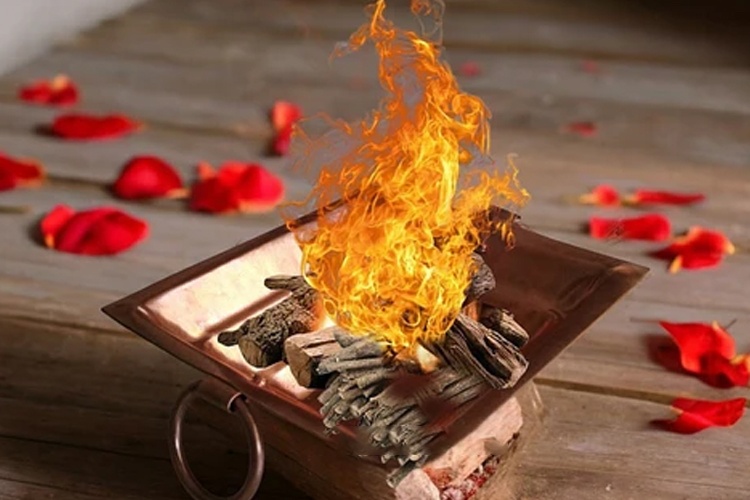
A Havan Kund is the sacred fire vessel used to perform Havan (fire ritual). It is not merely a container for fire, but a spiritually designed structure that represents divine energy and cosmic balance. The Kund acts as the focal point where offerings are transformed into subtle spiritual vibrations through the element of fire.
Spiritually, the Havan Kund symbolizes the womb of creation — the sacred space where intentions are offered and blessings are invoked. Its geometric structure is believed to help channel and amplify positive energies generated during the ritual.
- Center point of the ritual
- Symbol of divine creation
- Channel for cosmic energy
- Sacred space for transformation
Shape and Geometrical Significance
The shape of a Havan Kund holds deep symbolic meaning. Traditionally, Kunds are square, rectangular, or pyramid-shaped. The square shape represents stability and balance, while the pyramid form is believed to enhance energy concentration and upward spiritual flow.
Vedic architecture and ritual science emphasize that geometric proportions influence the effectiveness of the ritual. The structure is designed to ensure proper airflow, controlled flame, and efficient transformation of offerings into subtle energy.
- Square shape for stability and grounding
- Pyramid shape for energy amplification
- Alignment with cardinal directions
- Balanced airflow and flame control
Materials Used in Making Havan Kund
Havan Kunds are made from various materials depending on purpose and tradition. Common materials include copper, brass, clay, and sometimes iron. Copper is highly preferred due to its conductive properties and traditional belief that it enhances positive energy flow.
Clay Kunds are often used for temporary rituals, while metal Kunds are used for repeated ceremonies. The material chosen can influence durability, heat retention, and ritual significance.
- Copper (for energy conductivity)
- Brass (durable and traditional)
- Clay (for temporary rituals)
- Iron (for large-scale ceremonies)
Placement and Direction of Havan Kund
Proper placement of the Havan Kund is crucial for ritual effectiveness. Traditionally, it is placed in the east or north-east direction, which is considered spiritually auspicious. The orientation ensures that the energy generated aligns with natural cosmic forces.
The person performing the ritual usually sits facing east, symbolizing enlightenment and positive beginnings. Correct placement enhances spiritual focus and maintains harmony within the ritual space.
- Positioning in east or north-east direction
- Proper alignment with cardinal directions
- Stable and elevated surface placement
- Adequate ventilation for safety
Types of Havan Kund for Different Rituals
Different types of Havan Kunds are used for specific rituals. Small Kunds are suitable for home ceremonies, while larger Kunds are designed for temple or community Yagyas. Some Kunds are specially shaped for particular deities or Vedic ceremonies.
In large-scale Vedic rituals, specially constructed brick Kunds are built according to scriptural measurements mentioned in texts like the Yajurveda, where fire altar designs hold symbolic meaning.
- Small portable Kund for home use
- Large brick Kund for temple ceremonies
- Pyramid Kund for energy-focused rituals
- Custom-designed Kund for special Yagyas
Maintenance, Safety, and Ritual Care
Maintaining the sanctity and safety of a Havan Kund is essential. The Kund should be cleaned after every ritual and stored respectfully. Ashes from the Havan are considered sacred and are often immersed in flowing water or placed under sacred trees.
Safety measures must also be followed, especially in indoor rituals. Adequate ventilation, controlled flame size, and safe distance from flammable materials ensure smooth and secure ceremonies.
- Cleaning after each use
- Proper disposal of sacred ash
- Ensuring fire safety precautions
- Storing in a clean, respectful place