Meaning and Spiritual Importance of Havan Samagri
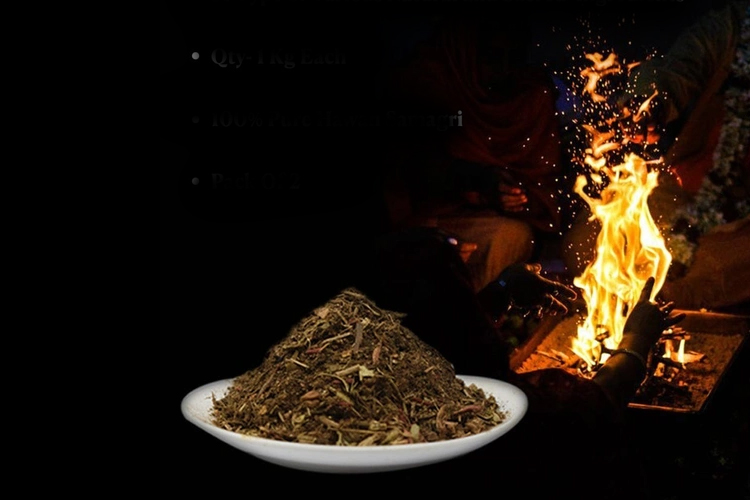
Havan Samagri refers to the sacred mixture of herbs, roots, grains, resins, and other natural substances offered into the fire during a Havan. It is not a random combination of materials but a carefully prepared blend based on ancient Vedic traditions. Each ingredient carries symbolic meaning and energetic properties that enhance the spiritual power of the ritual.
When offered into the sacred fire, the Samagri transforms into subtle vibrations that are believed to purify the environment and uplift consciousness. The act of offering represents surrender, gratitude, and devotion toward divine forces.
- Medium for sacred offerings
- Carrier of prayers through fire
- Enhancer of positive vibrations
- Symbol of surrender and devotion
Traditional Ingredients Used in Havan Samagri
Havan Samagri is composed of various natural ingredients selected for their spiritual and aromatic qualities. These may include dried herbs, medicinal plants, sandalwood powder, camphor, guggul (resin), rice, barley, sesame seeds, cloves, cardamom, and other sacred substances.
The combination varies depending on the purpose of the Havan. For example, specific herbs may be added for health, prosperity, or planetary remedies. The purity and authenticity of ingredients are considered very important.
- Ghee (clarified butter)
- Sandalwood powder
- Guggul resin
- Dried medicinal herbs
- Rice and barley
- Sesame seeds
- Camphor
- Cloves and cardamom
Symbolic Meaning of Each Ingredient
Each ingredient in Havan Samagri holds symbolic and spiritual meaning. Grains like rice and barley symbolize nourishment and abundance. Ghee represents purity and sustenance. Sandalwood signifies calmness and spiritual refinement. Resins like guggul symbolize purification and protection.
Offering these ingredients into the fire represents surrendering one’s desires, ego, and attachments to higher consciousness. It reflects the philosophy of giving before receiving and cultivating gratitude.
- Grains for prosperity and growth
- Ghee for purity and devotion
- Herbs for healing and protection
- Fragrant elements for mental clarity
Energetic and Environmental Significance
When Havan Samagri is offered into fire, it produces aromatic vapors believed to cleanse and energize the environment. Traditional belief holds that the medicinal herbs used in Samagri have purifying properties that influence both physical surroundings and subtle energy fields.
The rhythmic chanting of mantras combined with herbal smoke creates a spiritually charged atmosphere. This process supports mental calmness, emotional balance, and environmental harmony.
- Cleansing negative vibrations
- Enhancing spiritual atmosphere
- Supporting mental relaxation
- Promoting positive energy flow
Special Samagri for Specific Purposes
Different types of Havan require customized Samagri. For example, a prosperity-focused ritual may include specific herbs associated with abundance, while a health-related Havan may include medicinal plants. Planetary Havans use ingredients aligned with specific celestial energies.
Ancient scriptures such as the Yajurveda describe the importance of offering appropriate materials according to the intention of the ritual. This customization enhances the effectiveness and focus of the ceremony.
- Prosperity and wealth rituals
- Health and healing ceremonies
- Planetary peace (Navagraha) Havans
- Protection and obstacle removal
Purity, Preparation, and Handling of Samagri
The preparation of Havan Samagri requires cleanliness and respect. Ingredients should be pure, unadulterated, and ideally sourced from natural origins. The mixture is often prepared while chanting mantras or with a devotional mindset to maintain its sanctity.
Proper storage in a clean, dry place preserves its fragrance and effectiveness. During the ritual, Samagri should be offered with focus and reverence rather than casually.
- Use of high-quality natural ingredients
- Clean and sacred preparation process
- Proper storage away from moisture
- Respectful handling during ritual