Introduction to Varshaphal (Annual Horoscope)
Varshaphal, also known as the Annual Horoscope or Solar Return Chart, is prepared for the precise moment when the Sun returns to the exact zodiac degree it occupied at the time of birth. This celestial event occurs once every year around the birthday and marks the beginning of a new personal astrological cycle. Unlike the birth chart, which reflects the overall destiny and lifelong themes of an individual, Varshaphal focuses specifically on the experiences, growth patterns, opportunities, and challenges that may arise within a single year.
This system provides a micro-level analysis of life events and helps in understanding how the broader promise of the natal chart will manifest during that particular year. It acts as a yearly roadmap, highlighting areas of progress, caution, and transformation. Astrologers carefully analyze planetary positions, house placements, aspects, and special combinations to predict important developments.
Importance of Muntha in Varshaphal
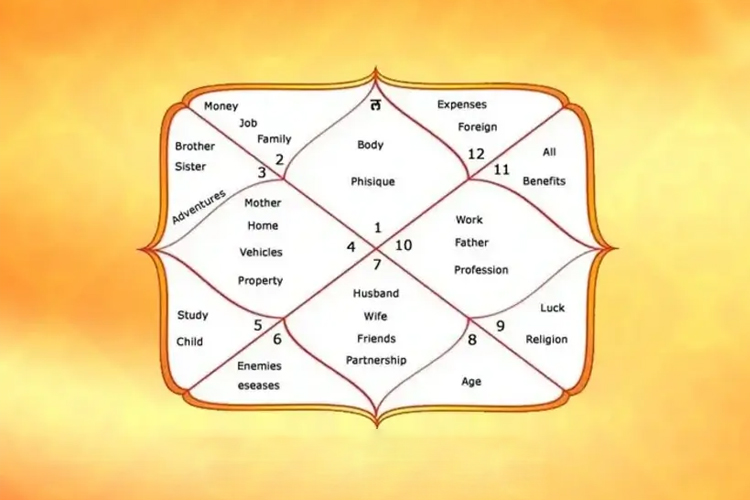
Muntha is considered one of the most powerful and defining factors in Varshaphal interpretation. It represents the progressed ascendant and moves one house forward each year from the natal ascendant. The position of Muntha indicates the primary area of life where growth, change, and major developments are likely to occur during the year.
If Muntha is placed in a favorable house and supported by benefic planets, the year tends to bring success, recognition, and positive achievements in that area. However, if it is placed in challenging houses or afflicted by malefic planets, it may indicate struggles, stress, or obstacles. The strength and dignity of the Muntha lord further refine the final results.
- Shows main area of yearly focus
- Moves one house every year
- House placement determines results
- Strength of Muntha lord is critical
Role of Varsh Lagna (Annual Ascendant)
Varsh Lagna is the ascendant calculated at the exact Solar Return moment. It represents the overall tone, mindset, and approach of the native during the year. Just as the natal ascendant defines personality and physical vitality for life, Varsh Lagna defines the energy and direction for that specific year.
A strong and well-supported Varsh Lagna indicates confidence, good health, progress, and clarity in decisions. If afflicted or weak, it may suggest health concerns, lack of direction, or emotional instability. The placement of its lord, aspects received, and conjunctions play a significant role in shaping the year’s overall experience.
- Sets yearly personality and energy
- Indicates health and confidence
- Strength of Lagna lord influences success
- Impacted by aspects and conjunctions
Tajika Yogas and Their Impact
Varshaphal follows the Tajika system, which introduces unique planetary combinations known as Tajika Yogas. These yogas differ from traditional Vedic yogas and are specifically applied for annual predictions. They are primarily based on aspects between planets and the applying or separating nature of those aspects.
For example, Ithasala Yoga indicates the promise of fulfillment and successful completion of matters when planets are moving toward conjunction or aspect. On the other hand, Isarpha Yoga may suggest delays or missed opportunities when planets are separating. These yogas help in understanding whether efforts will result in success or require additional patience.
- Special annual yogas
- Based on planetary applying aspects
- Indicate success, delay, or obstacles
- Help refine yearly predictions
Sahams and Their Significance
Sahams are mathematically calculated sensitive points used in Varshaphal to analyze specific life areas in greater detail. Each Saham corresponds to a particular matter such as marriage, profession, wealth, children, travel, or health. These points add precision to annual predictions and help identify the likelihood of events related to those domains.
The placement of Sahams in houses, their conjunction with planets, and aspects received determine their strength. A well-placed Saham supported by benefics may bring favorable outcomes, while affliction can indicate stress or delay in that area. Sahams therefore act as specialized indicators within the annual chart.
- Sensitive calculated points
- Each Saham rules specific life matters
- Strength depends on planetary support
- Provides detailed event indications
Annual Dasha and Yearly Predictions
In Varshaphal, the Mudda Dasha system is used to divide the year into smaller planetary periods. Each planet governs a specific portion of the year and delivers results according to its placement, strength, and associations in the annual chart. This system helps in timing important events more accurately.
When a strong and benefic planet operates its Mudda Dasha, the corresponding months may bring growth, success, and happiness. Conversely, if a weak or afflicted planet rules a period, it may bring challenges or lessons. Thus, analyzing Mudda Dasha alongside Muntha and Varsh Lagna gives a complete picture of the year.
- Year divided into Mudda Dashas
- Planets give results in their period
- Helps identify favorable months
- Crucial for timing major events