Introduction to the Moon
The Moon, or Chandra, is Earth's only natural satellite and one of the most influential celestial bodies in astrology and daily life. Unlike the Sun, which generates its own energy, the Moon shines by reflecting sunlight, illuminating the night and regulating natural rhythms on Earth. Throughout history, it has guided farmers, sailors, and civilizations, helping them track time, plan agricultural activities, and organize festivals and rituals. In astrology, the Moon represents the mind, emotions, instincts, and subconscious. It reflects how we perceive, feel, and react to the world around us. While the Sun governs the soul and outward personality, the Moon rules the emotional and psychological aspects, shaping our sensitivity, intuition, and creativity.
The Moon's phases—from new moon to full moon—also symbolize cycles of growth, change, and renewal in life. Its steady movement reminds us that change is natural, and balance can be achieved by understanding our inner selves. People with a strong Moon tend to be calm, empathetic, imaginative, and emotionally balanced, whereas a weak or afflicted Moon may bring mood swings, emotional instability, and difficulty managing relationships.
Key Significations of the Moon
- Earth's only natural satellite reflecting sunlight
- Governs lunar cycles, time, and natural rhythms
- Represents mind, emotions, and subconscious
- Symbol of intuition, sensitivity, and nurturing energy
Astronomical Importance of the Moon
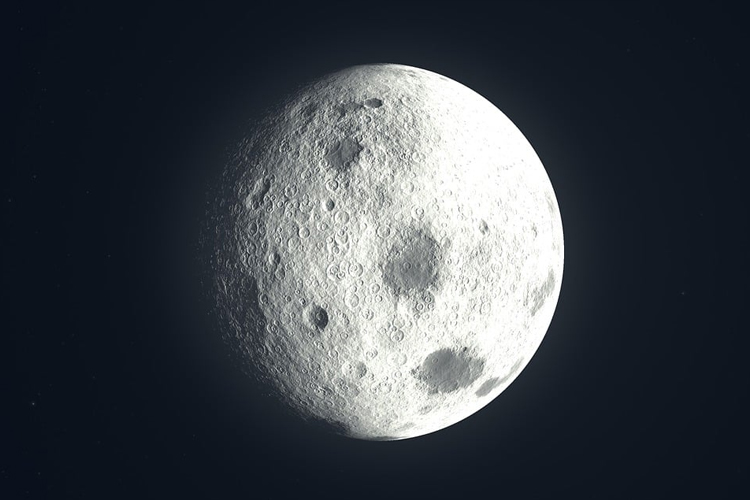
Astronomically, the Moon is essential for maintaining balance on Earth. Its gravitational pull controls tides, which regulate marine life, environmental balance, and climate patterns. The Moon also stabilizes Earth's axial tilt, keeping seasons relatively consistent and preventing extreme climate fluctuations. It completes its orbit around Earth in approximately 27.3 days, producing the familiar phases that influence calendars, festivals, and daily activities.
Although the Moon does not emit its own light, the reflected sunlight is bright enough to guide humans for navigation, farming, and timekeeping. Its presence in the night sky has inspired human curiosity, science, and culture for thousands of years. Changes in the Moon's phases also affect natural systems on Earth, including rainfall, plant growth, and even human behavior to some extent.
Key Astronomical Features
- Orbits Earth in ~27.3 days
- Controls tides and water balance
- Stabilizes Earth's axis and seasonal cycles
- Reflects sunlight, aiding navigation and timekeeping
Astrological Significance of the Moon
In astrology, the Moon is known as the ruler of emotions, mind, and instincts. It governs how we perceive, feel, and react to life's situations. A strong Moon brings emotional balance, mental clarity, creativity, and sensitivity, allowing individuals to connect with others empathetically. It also governs the mother and maternal influences, nurturing qualities, and caregiving instincts. People with a well-placed Moon in their horoscope are imaginative, emotionally intelligent, and capable of maintaining harmony in relationships.
A weak or afflicted Moon, on the other hand, can lead to emotional instability, over-sensitivity, anxiety, or mood swings. It may also cause difficulties in relationships and decision-making, highlighting the Moon's role in shaping personality, emotions, and social behavior.
Key Astrological Significations
- Governs mind, emotions, and instincts
- Represents maternal influence and nurturing qualities
- Strong Moon promotes creativity, empathy, and calmness
- Weak Moon may lead to mood swings and emotional challenges
Influence of the Moon on Human Life
The Moon has a deep influence on personality, habits, and emotional responses. It shapes how individuals relate to others, react under stress, and handle relationships. People with a strong Moon are empathetic, adaptable, and intuitive. They are capable of understanding emotions, providing support, and maintaining balance in challenging situations. The Moon also affects daily behavior, decision-making, energy levels, and even creativity.
Lunar phases play a role in emotional fluctuations, motivation, and spiritual practices. Awareness of the Moon's influence allows individuals to align personal, professional, and spiritual activities with natural rhythms, achieving greater harmony in life.
Key Influences
- Shapes personality and emotional behavior
- Influences empathy, intuition, and adaptability
- Affects energy levels, moods, and creativity
- Strong Moon promotes balance and emotional stability
Health and Physical Effects of the Moon
The Moon governs bodily fluids, water balance, and natural rhythms. It influences the brain, nervous system, digestive system, and reproductive health. A strong Moon helps maintain proper sleep, emotional stability, mental clarity, and hormonal balance. It also supports overall vitality and energy levels.
A weak or afflicted Moon can result in stress, anxiety, sleep disturbances, digestive issues, or emotional instability. Many traditional and astrological practices emphasize living in harmony with lunar phases to promote physical and mental well-being. Aligning activities with the Moon is believed to enhance health, calmness, and resilience.
Health Associations
- Governs brain, nervous system, and body fluids
- Influences sleep patterns, digestion, and hormones
- Strong Moon improves mental clarity and calmness
- Weak Moon may cause stress, fatigue, or emotional imbalance
Symbolism and Spiritual Meaning of the Moon
Spiritually, the Moon represents peace, intuition, and inner reflection. Its gentle and calming energy encourages mindfulness, patience, and emotional intelligence. The waxing and waning of the Moon symbolize life's natural cycles, teaching lessons about growth, change, and balance. A spiritually strong Moon guides one toward self-awareness, emotional maturity, and inner harmony.
The Moon also inspires compassion, empathy, and understanding. It reflects the importance of connecting with one's inner self while balancing emotions and relationships. Just as the Moon brightens the night, it reminds us that even in darkness, guidance and clarity are possible.
Spiritual Significations
- Symbol of peace, intuition, and emotional wisdom
- Encourages mindfulness, patience, and self-reflection
- Teaches balance through life's cycles
- Guides emotional and spiritual growth
Planetary Remedies Moon
The Moon, known as Chandra, represents the mind, emotions, subconscious patterns, motherly energy, intuition, and inner peace. In planetary remedies, the Moon is considered one of the most sensitive and influential planets because it governs emotional reactions, mental stability, memory, and psychological well-being. While the Sun defines one's outer identity and authority, the Moon controls the inner world — how a person feels, processes experiences, and responds emotionally to life situations.
When the Moon is strong and well-placed, it grants emotional intelligence, empathy, mental calmness, creativity, and nurturing qualities. However, a weak or afflicted Moon can result in anxiety, mood swings, overthinking, emotional dependency, insomnia, and instability in personal relationships. Moon remedies focus on emotional healing, mental balance, and strengthening inner security.
Moon Gemstone Remedy
The primary gemstone for strengthening the Moon is Pearl (Moti), which carries cooling and soothing lunar vibrations. Pearl is known for stabilizing emotions, calming the mind, and enhancing intuitive abilities. Wearing Pearl helps individuals who struggle with stress, emotional imbalance, fear, or lack of mental clarity.
It is especially beneficial for those involved in creative fields, caregiving roles, or professions that require emotional sensitivity. Since Moon energy is gentle yet deeply influential, Pearl should be worn carefully and with proper guidance to ensure harmony rather than emotional over-sensitivity.
- Gemstone: Natural Pearl (Moti)
- Metal: Silver
- Finger: Little finger of the right hand
- Day & Time: Monday morning
- Placement: Ring or pendant
- Benefits: Emotional balance, calmness, and mental clarity
Moon Yantra Remedy
The Moon Yantra is a sacred geometric representation that channels the serene and nurturing energy of Chandra. This Yantra is particularly effective for individuals experiencing emotional turbulence, mental fatigue, or instability in relationships. Regular worship of the Moon Yantra helps soothe the mind, enhance intuition, and promote emotional healing.
Unlike remedies focused on power or authority, Moon Yantra works subtly by bringing inner peace and strengthening the subconscious mind. It is ideal for meditation spaces and bedrooms, where calm and emotional grounding are essential.
- Material: Silver or crystal Yantra
- Placement: Bedroom, meditation area, or altar
- Worship Day: Monday
- Offerings: White flowers, milk, and rice
- Benefits: Mental peace, emotional healing, and intuition
Moon Mantra Remedy
Moon mantras work deeply on the subconscious level, helping regulate emotional patterns and mental fluctuations. Regular chanting of Moon mantras enhances emotional maturity, reduces anxiety, and strengthens inner resilience. This remedy is highly beneficial for those dealing with depression, fear, emotional attachment, or restless thoughts.
Chanting Moon mantras in a calm environment during the evening or early morning creates a soothing rhythm that aligns the mind with lunar energy, promoting mental clarity and emotional stability over time.
- Main Mantra: Om Shraam Shreem Shraum Sah Chandraya Namah
- Alternative Mantra: Om Som Somaya Namah
- Best Time: Evening or early morning
- Direction: Facing north-west or east
- Chant Count: 108 repetitions
- Benefits: Emotional balance, peace, and mental strength
Moon Donation (Daan)
Moon-related donations are focused on compassion, care, and emotional nourishment. These donations help balance emotional karma and improve relationships, especially with mother figures and family members. Performing Moon Daan regularly helps reduce emotional dependency, mental stress, and feelings of insecurity.
Since the Moon is associated with nurturing and care, donations that support nourishment, comfort, and well-being are considered highly effective. Consistency and sincere intention amplify the positive karmic impact of these offerings.
- Milk, rice, white sweets, and sugar
- White clothes or bed sheets
- Silver items or utensils
- Feeding cows, women, or children
- Donation Day: Monday
- Outcome: Emotional stability, peace, and nurturing energy