Introduction to Precious Stones
Precious stones, also known as gemstones, have fascinated humanity for thousands of years due to their beauty, rarity, and symbolic power. Found deep within the Earth's crust, these stones are formed over millions of years under intense heat and pressure. Beyond their visual appeal, precious stones have been valued across cultures for spiritual, astrological, medicinal, and ornamental purposes. From royal crowns to sacred rituals, gemstones have always represented wealth, power, protection, and divine connection.
In modern times, precious stones are widely used in fine jewelry, astrology, healing practices, and luxury investments. Their value depends on factors such as color, clarity, cut, carat weight, and origin. Each stone carries a unique identity and significance, making gemstones not just decorative items but meaningful possessions.
Types of Precious Stones
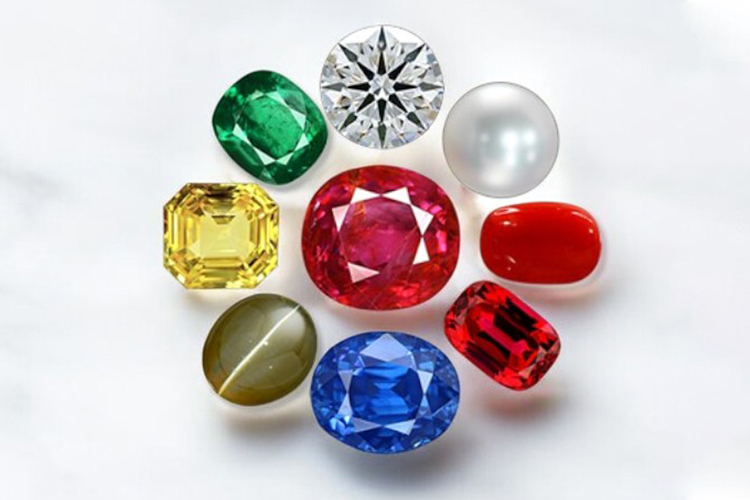
Precious stones are broadly categorized based on their rarity and value. Traditionally, only four gemstones are considered "precious": Diamond, Ruby, Sapphire, and Emerald. All other gemstones fall under the category of semi-precious stones. However, many semi-precious stones can be equally valuable depending on quality and demand.
Each type of precious stone has distinct physical properties such as hardness, color range, brilliance, and crystal structure. These properties not only determine their market value but also influence how they are cut and set into jewelry. Understanding different gemstone types helps buyers make informed choices for both aesthetic and functional purposes.
- Main precious stones: Diamond, Ruby, Sapphire, Emerald
- Semi-precious stones include Topaz, Amethyst, Garnet, etc.
- Classification depends on rarity and market value
- Physical properties define durability and brilliance
Formation and Natural Sources of Precious Stones
Precious stones are formed through complex geological processes deep within the Earth. Some gemstones crystallize from molten magma, while others develop through metamorphic or sedimentary processes. These natural formations require specific conditions of temperature, pressure, and mineral composition, making gemstones rare and unique.
Different regions of the world are known for specific gemstones due to their geological makeup. For example, diamonds are commonly found in South Africa and Russia, emeralds in Colombia, rubies in Myanmar, and sapphires in Sri Lanka. The origin of a gemstone often adds to its value and authenticity.
- Formed through volcanic, metamorphic, or sedimentary processes
- Require extreme heat and pressure
- Specific regions known for specific stones
- Origin influences quality and price
Astrological and Spiritual Significance of Precious Stones
In astrology, precious stones are believed to carry planetary energies that influence a person's life. Each gemstone is associated with a specific planet and is worn to strengthen positive effects or reduce negative planetary influences. For centuries, astrologers have recommended gemstones based on birth charts to enhance health, wealth, relationships, and mental peace.
Spiritually, gemstones are considered powerful tools for energy healing and meditation. Many believe that gemstones absorb, store, and emit vibrations that align the mind, body, and soul. Wearing or meditating with the right gemstone is thought to bring balance, clarity, and protection.
- Each gemstone is linked to a planet
- Used to balance planetary doshas
- Believed to enhance health and prosperity
- Widely used in spiritual and healing practices
Uses of Precious Stones in Jewelry and Lifestyle
Precious stones play a central role in luxury jewelry, including rings, necklaces, bracelets, and earrings. Their brilliance and durability make them ideal for everyday wear as well as special occasions. Jewelers carefully cut and polish gemstones to maximize their sparkle and visual appeal.
Beyond jewelry, precious stones are also used in lifestyle products, home décor, healing tools, and investment assets. Many people purchase gemstones as long-term investments due to their increasing value over time. Their timeless appeal ensures that gemstones remain relevant across generations.
- Widely used in fine and designer jewelry
- Enhance elegance and personal style
- Used in décor, healing, and luxury items
- Considered valuable investment assets
Care, Authentication, and Value of Precious Stones
Proper care is essential to maintain the beauty and longevity of precious stones. Different gemstones require different care methods, as some are more sensitive to heat, chemicals, or impact. Regular cleaning and safe storage help preserve their brilliance and structural integrity.
Authentication is equally important, as the gemstone market includes synthetic and treated stones. Certified gemstones come with authenticity reports that verify origin, quality, and treatment. The value of a precious stone is determined by the four Cs — cut, color, clarity, and carat — along with rarity and demand.
- Proper care preserves shine and durability
- Some stones require special handling
- Certification ensures authenticity
- Value depends on cut, color, clarity, and carat