Meaning and Spiritual Significance of Havan
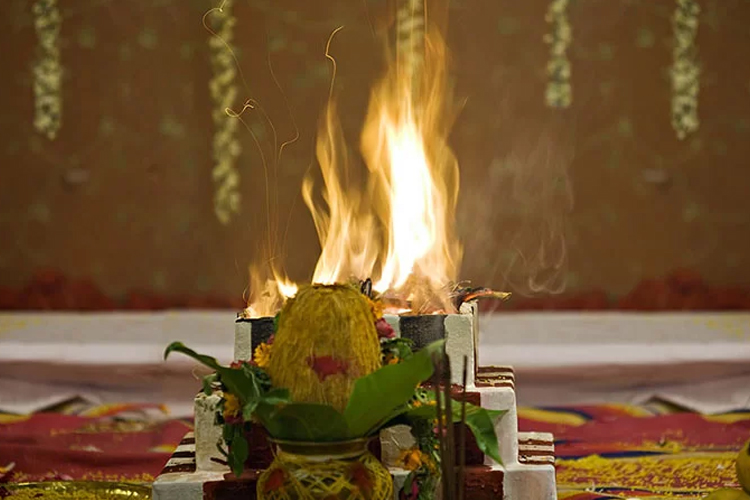
Havan, also known as Homa or Yagya, is one of the most sacred fire rituals described in ancient Indian spiritual traditions. It is a divine ceremony in which offerings such as ghee, herbs, grains, and sacred wood are offered into a consecrated fire while chanting powerful Vedic mantras. Fire, known as Agni, is considered the purest element and the divine messenger that carries human prayers to higher cosmic realms. The ritual symbolizes transformation — converting material offerings into subtle spiritual energy.
Havan is not merely a ritual but a spiritual process that aligns the individual with universal forces. It purifies the environment, elevates mental vibrations, and creates a sacred atmosphere filled with positivity and peace. The fire represents knowledge, purity, and divine consciousness.
- Inner purification and mental clarity
- Removal of negative energies
- Divine blessings and protection
- Spiritual awakening and growth
Historical Origin and Scriptural Background of Havan
The roots of Havan can be traced back thousands of years to the ancient Vedic scriptures of India. In sacred texts such as the Rigveda, Agni (the Fire God) is praised as the mediator between humans and the divine. Vedic sages and rishis performed elaborate Yagyas to maintain cosmic balance, invite rainfall, ensure prosperity, and protect kingdoms from adversity.
In early Vedic civilization, fire rituals were central to daily life, social order, and spiritual discipline. Kings performed grand Yagyas for national welfare, while householders conducted smaller Havans for family harmony and prosperity. Over time, the practice evolved but retained its spiritual essence.
- The foundation of Vedic worship
- A bridge between human and divine realms
- A ritual of cosmic harmony and balance
- An integral part of cultural and spiritual traditions
Purpose and Transformational Benefits of Havan
Havan is performed for a wide range of spiritual, astrological, and personal purposes. It is believed that the sacred vibrations produced by mantra chanting combined with medicinal herbs create a spiritually charged environment. The smoke generated during Havan contains natural elements that are traditionally considered purifying and healing.
Spiritually, Havan helps calm the mind, remove emotional blockages, and strengthen positive intentions. Astrologically, specific Havans are performed to reduce the malefic effects of planetary positions and improve life circumstances. Psychologically, participating in Havan promotes focus, gratitude, and devotion.
- Environmental purification and positivity
- Reduction of stress and anxiety
- Strengthening of spiritual discipline
- Enhancement of prosperity and success
Sacred Materials and Their Symbolic Importance in Havan
Each material used in a Havan holds symbolic and energetic importance. The Havan Kund (fire pit) represents the womb of divine creation. Ghee symbolizes purity and nourishment. Herbal mixtures (Havan Samagri) contain sacred ingredients believed to enhance spiritual vibrations. Mango wood is traditionally used as it is considered sattvic (pure) and spiritually beneficial.
The offerings are not random; they represent surrender of ego, desires, and impurities into the transforming fire. As the materials burn, they symbolize letting go of negativity and inviting divine grace into one’s life.
- Havan Kund (sacred fire vessel)
- Ghee (clarified butter)
- Samagri (sacred herbal blend)
- Mango wood sticks
Detailed Procedure and Ritual Process of Havan
A Havan follows a structured and spiritually disciplined process. It begins with purification of the space and participants through sprinkling of holy water and chanting of sacred mantras. The ritual then proceeds with Sankalp, where a clear intention is declared. The sacred fire is lit while invoking Agni and other divine energies.
Mantras are chanted rhythmically, and offerings of ghee and herbs are made into the fire with devotion. Each offering is accompanied by the word “Swaha,” symbolizing surrender and offering to the divine. The ritual concludes with Purnahuti (final sacred offering) and distribution of blessed prasad.
- Preparation and purification
- Sankalp (intention setting)
- Invocation of deities
- Continuous mantra chanting
Different Types of Havans and Their Occasions
There are various types of Havans performed based on purpose, planetary influences, life events, or specific deities. Each Havan is customized with particular mantras and offerings to align with the desired intention. Some Havans are conducted for general peace and prosperity, while others are performed for health, marriage, business success, or planetary remedies.
For example, Ganesh Havan is performed to remove obstacles, Lakshmi Havan for wealth, and Navagraha Havan for planetary balance. During important life events like marriage, housewarming (Griha Pravesh), or childbirth, Havan is conducted to invoke divine blessings and protection.
- Ganesh Havan
- Lakshmi Havan
- Navagraha Havan
- Maha Mrityunjaya Havan