Spiritual Significance of Rudra Abhishekam
Rudra Abhishekam is one of the most sacred and powerful rituals dedicated to Lord Shiva, who is worshipped as the supreme deity of transformation and spiritual power. The term "Rudra" refers to a fierce and compassionate form of Shiva, while "Abhishekam" means the ceremonial bathing of the deity with sacred substances. This ritual is performed to seek divine blessings for health, peace, prosperity, and spiritual growth.
Devotees believe that performing Rudra Abhishekam with sincerity and devotion can remove negative energies and purify the mind and environment. The ritual symbolizes surrender to divine power and recognition of the cosmic forces that govern life.
Through the chanting of sacred hymns and offerings to the Shiva Lingam, devotees connect with divine consciousness and invite harmony and protection into their lives.
Sacred Texts and Mantras Used in the Ritual
Rudra Abhishekam is closely associated with the recitation of powerful Vedic hymns. One of the most important chants used during this ritual is the Sri Rudram, a sacred hymn from the Yajurveda that praises Lord Shiva in various forms. The rhythmic chanting of these mantras creates a spiritually uplifting atmosphere and is believed to generate positive vibrations.
Another important chant often included in the ceremony is the Maha Mrityunjaya Mantra, which is known for its healing and protective qualities. These sacred recitations enhance the spiritual power of the ritual and deepen the devotee's connection with the divine.
The combination of Vedic chants and devotional offerings makes Rudra Abhishekam a highly revered practice in Hindu temples and homes.
- Sri Rudram is the primary Vedic hymn used
- Maha Mrityunjaya Mantra is often chanted
- Mantras create powerful spiritual vibrations
- Enhances the sacred atmosphere of the ritual
- Strengthens devotion and spiritual awareness
Auspicious Days and Occasions for Performing Rudra Abhishekam
Rudra Abhishekam can be performed on various auspicious occasions, but certain days are considered especially favorable for this ritual. Mondays are traditionally associated with Lord Shiva and are widely regarded as ideal for performing the ceremony.
The ritual is also commonly conducted during Maha Shivaratri, one of the most important festivals dedicated to Lord Shiva. Devotees gather in temples and homes to perform Abhishekam and chant sacred mantras throughout the night.
Apart from these occasions, Rudra Abhishekam may also be performed to seek blessings during important life events or to overcome personal difficulties.
- Mondays are considered highly auspicious
- Often performed during Maha Shivaratri
- Suitable for special spiritual occasions
- Recommended during personal challenges
Ritual Process and Sacred Offerings
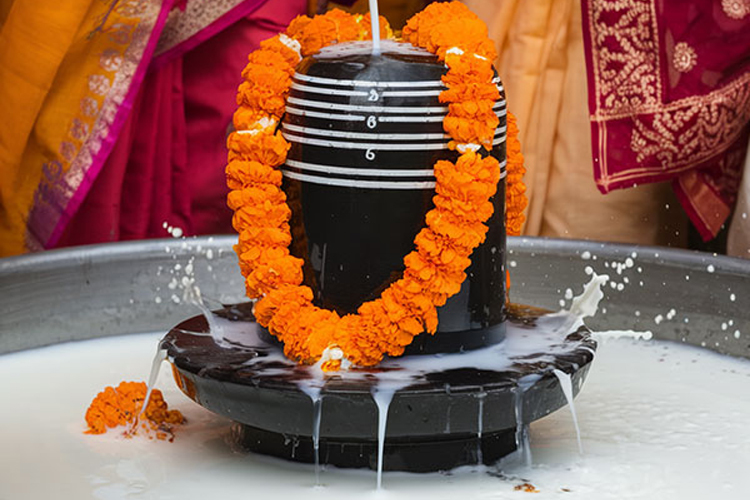
The central aspect of Rudra Abhishekam is the ceremonial bathing of the Shiva Lingam with various sacred substances. Each offering symbolizes purity, devotion, and gratitude toward the divine.
Common offerings used in the ritual include water, milk, honey, yogurt, ghee, sugar, and sandalwood paste. Devotees pour these substances over the Shiva Lingam while chanting mantras and offering flowers and bilva leaves.
These sacred offerings represent different elements of nature and are believed to purify the surroundings while invoking divine blessings. The ritual concludes with aarti and prayers seeking peace and prosperity.
- Abhishekam performed on the Shiva Lingam
- Offerings include milk, honey, yogurt, and water
- Bilva leaves and flowers are commonly used
- Mantras are chanted during the ritual
Spiritual and Personal Benefits of Rudra Abhishekam
Rudra Abhishekam is believed to bring numerous spiritual and personal benefits to devotees. The ritual is performed to remove negative influences, reduce stress, and create a peaceful state of mind. Many people perform this puja to seek relief from health issues, financial difficulties, or personal challenges.
The vibrations generated through chanting and offerings are believed to purify the mind and promote spiritual growth. Devotees also believe that the blessings of Lord Shiva help strengthen courage, wisdom, and inner stability.
By regularly participating in such rituals, individuals cultivate discipline, devotion, and a deeper connection with divine energy.
- Removes negative energies and obstacles
- Promotes peace and emotional stability
- Supports health and spiritual well-being
- Encourages courage and inner strength
Cultural and Devotional Importance in Hindu Tradition
Rudra Abhishekam holds an important place in Hindu devotional traditions and is widely performed in temples and spiritual gatherings. Many devotees visit Shiva temples specifically to witness or participate in this sacred ritual.
The ceremony is often conducted by priests who guide devotees through the chanting of mantras and the offering of sacred substances. In addition to temple ceremonies, families also perform Rudra Abhishekam in their homes as a part of regular spiritual practice.
This ritual reflects the deep reverence for Lord Shiva and the belief that divine grace can guide individuals toward peace, prosperity, and spiritual enlightenment.
- Widely performed in Shiva temples
- Often conducted by priests or spiritual guides
- Practiced in both temples and homes
- Strengthens cultural and spiritual traditions