Significance of Hanuman Puja in Hindu Tradition
Hanuman Puja holds a very special place in Hindu religious traditions. Lord Hanuman is worshipped as the symbol of strength, courage, devotion, loyalty, and protection from negative energies. Devotees believe that praying to Lord Hanuman helps remove obstacles, fears, and difficulties from life. His unwavering devotion to Lord Rama is considered the highest example of faith and dedication.
Hanuman Puja is commonly performed by individuals seeking protection from evil influences, mental stress, and challenges in life. Many devotees recite Hanuman Chalisa and other sacred hymns during the puja to invoke divine blessings. The worship of Lord Hanuman also strengthens inner confidence and spiritual discipline.
By performing Hanuman Puja with sincerity, devotees believe they gain spiritual strength, protection, and courage to face life’s challenges.
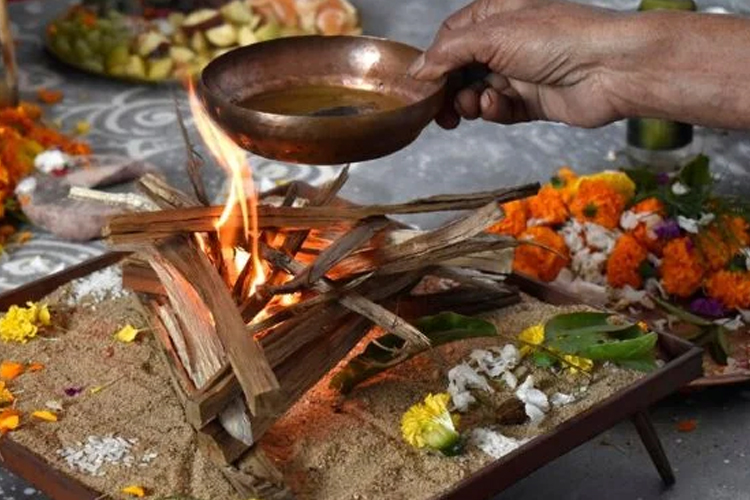
Auspicious Days and Timing for Hanuman Puja
Choosing the right day and time for Hanuman Puja is considered highly beneficial. According to Hindu beliefs, Tuesday and Saturday are the most auspicious days to worship Lord Hanuman. These days are believed to hold powerful spiritual vibrations associated with the deity.
Many devotees visit Hanuman temples early in the morning or during evening hours to offer prayers. Special occasions like Hanuman Jayanti are also considered highly sacred for performing this puja with great devotion.
Astrologers often recommend performing Hanuman Puja during specific muhurats to receive maximum blessings and spiritual benefits.
- Tuesday and Saturday are the most auspicious days
- Early morning or evening puja is preferred
- Hanuman Jayanti is a special day for worship
- Muhurat can be selected according to astrology
- Regular prayers strengthen devotion and protection
Preparation and Setup for Hanuman Puja
Proper preparation is important before performing Hanuman Puja. The worship area should be clean and peaceful to create a positive spiritual environment. Devotees usually place an idol or picture of Lord Hanuman on a clean platform decorated with flowers and sacred items.
Red cloth, sindoor, and jasmine oil are commonly used in Hanuman worship because they are considered sacred offerings for the deity. Devotees also arrange incense sticks, lamps, fruits, and sweets before beginning the rituals.
Creating a calm and devotional atmosphere helps devotees focus on prayers and strengthens the connection with divine energy.
- Clean and purify the worship area
- Place idol or picture of Lord Hanuman
- Use red cloth and sacred decorations
- Arrange puja materials like incense and lamps
Hanuman Puja Rituals and Procedure
The Hanuman Puja begins with the lighting of a sacred lamp and offering prayers to Lord Ganesha for the successful completion of the ritual. Devotees then offer flowers, sindoor, jasmine oil, fruits, and sweets to Lord Hanuman while chanting sacred mantras.
Reciting Hanuman Chalisa, Bajrang Baan, or Sundar Kand from the Ramayana is considered highly auspicious during the puja. Devotees bow their heads in prayer and seek blessings for strength, courage, and protection.
The ritual ends with aarti, where devotees sing devotional songs and offer light to the deity as a symbol of respect and gratitude.
- Begin with lighting a lamp and Ganesh prayer
- Offer flowers, sindoor, and jasmine oil
- Recite Hanuman Chalisa or Bajrang Baan
- Offer fruits and sweets as prasad
Spiritual and Practical Benefits of Hanuman Puja
Hanuman Puja is believed to provide both spiritual and practical benefits to devotees. Worshipping Lord Hanuman helps individuals overcome fear, stress, and mental instability. His divine energy is believed to protect devotees from negative influences and evil forces.
Students, professionals, and business owners often perform Hanuman Puja to gain confidence, determination, and success in their work. Devotees believe that sincere worship brings courage, health, and spiritual strength.
Regular devotion to Lord Hanuman also promotes discipline, faith, and positivity in daily life.
- Removes fear and negative energies
- Provides mental strength and courage
- Helps overcome obstacles and difficulties
- Promotes success and determination
Cultural Importance and Devotional Practices of Hanuman Puja
Hanuman Puja is widely practiced across India and holds great cultural importance in Hindu society. Temples dedicated to Lord Hanuman attract thousands of devotees who gather to offer prayers and seek blessings.
Special devotional practices such as fasting on Tuesdays or Saturdays, reading sacred scriptures, and visiting temples are common among devotees. Hanuman Jayanti celebrations include large gatherings, devotional singing, and religious ceremonies.
These traditions strengthen faith, unity, and devotion among followers while honoring the divine qualities of Lord Hanuman.
- Widely celebrated across India
- Devotees visit Hanuman temples regularly
- Fasting on Tuesdays and Saturdays is common
- Hanuman Jayanti celebrations are grand