Importance of Machinery Placement in Factory Vaastu
In factories and commercial production units, machinery is the backbone of operational activities. According to Vaastu Shastra, the placement of heavy machinery and electrical appliances plays a significant role in maintaining the balance of energy within the workplace. Machines represent movement, power, and productivity, and their location can influence the efficiency of operations, safety of workers, and overall success of the business. Properly positioned machinery allows energy to circulate smoothly throughout the factory floor, supporting continuous production and reducing the chances of operational disruptions.
When machines are installed according to Vaastu principles, the workspace becomes more organized and harmonious. This alignment helps create an environment where employees can work more efficiently and comfortably. In addition, correct placement of machinery can contribute to better workflow management, ensuring that production processes move in a smooth and systematic manner. A well-planned factory layout also helps minimize accidents, equipment damage, and unnecessary maintenance issues.
If machinery is placed randomly without considering direction and balance, it may lead to congestion, inefficiency, and energy imbalance within the premises. Therefore, Vaastu recommends thoughtful planning of machine placement during the design stage of the factory or commercial building. Proper arrangement not only supports productivity but also strengthens the overall stability and growth of the business.
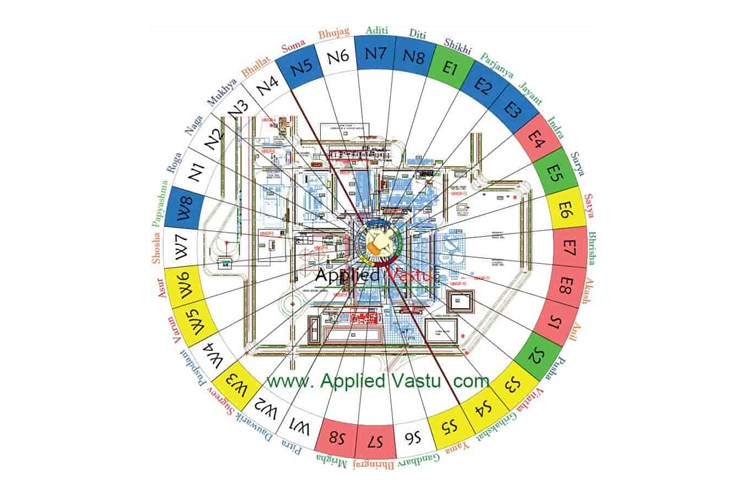
Ideal Direction for Heavy Machinery in Factories
In Vaastu Shastra, heavy machinery should ideally be placed in the south, southwest, or west zones of the factory. These directions are associated with stability, strength, and grounding energy, which makes them suitable for large and heavy industrial equipment. Machines such as compressors, generators, presses, molding machines, and large production units perform best when located in these areas because the heavy energy of these zones complements the weight and power of the equipment.
Placing heavy machinery in these directions also helps maintain balance within the factory layout. Since the northern and eastern zones are associated with lightness and openness, keeping heavy equipment away from these areas ensures that positive energy can enter the building without obstruction. In many factories, the southwest corner is considered the most stable area, making it ideal for installing the heaviest equipment or storage units.
This arrangement also improves operational efficiency by creating a natural production flow within the workspace. Machines placed in stable zones allow workers to move comfortably around the equipment while maintaining a safe working environment. By following Vaastu recommendations for machinery placement, factory owners can create a layout that supports both productivity and structural balance.
- South, southwest, and west are ideal for heavy machinery
- These directions represent stability and strength
- Helps maintain energy balance in the factory layout
- Keeps north and east zones open and light
- Improves workflow and workplace safety
Placement of Electrical Panels and Power Equipment
Electrical panels, transformers, generators, and other power equipment are essential components of factory and commercial operations. In Vaastu, these elements are associated with the fire element because they generate energy, heat, and power for machinery and lighting systems. The southeast direction is considered the most appropriate location for electrical equipment because it is traditionally known as the zone of fire energy.
Installing electrical panels and power control units in the southeast direction helps maintain harmony between the fire element and the surrounding environment. This placement ensures efficient functioning of electrical systems while reducing the chances of technical disturbances or overheating issues. In industrial environments where electrical load is high, proper placement also contributes to better safety and maintenance management.
If the southeast zone is not available due to structural constraints, the south direction may be used as an alternative. However, Vaastu advises avoiding the northeast zone for electrical installations because this area is associated with water and spiritual energy. Mixing the fire element with water energy in this zone may disturb the energetic balance of the building.
- Southeast is ideal for electrical panels and power systems
- Represents the fire element in Vaastu
- Supports safe and efficient electrical operations
- South can be used as an alternative location
Arrangement of Machines for Smooth Workflow
Apart from direction, the arrangement and alignment of machines within the factory floor are equally important. Vaastu emphasizes that machines should be placed in a way that supports smooth movement of materials, workers, and finished products. A well-organized machine layout reduces unnecessary movement and ensures that the production process flows logically from one stage to another.
Ideally, machines should be positioned so that operators face the east or north direction while working. These directions are associated with positive energy and mental clarity, which may help workers remain focused and productive during long working hours. Adequate space should also be maintained between machines to allow easy movement, maintenance access, and safety compliance.
A cluttered or poorly arranged workspace may create confusion and slow down production processes. Therefore, factories should focus on creating a layout that balances both Vaastu guidelines and practical operational requirements. When machines are arranged thoughtfully, the workspace becomes more efficient, organized, and comfortable for employees.
- Machine layout should support smooth production flow
- Workers ideally face east or north while operating machines
- Adequate spacing between machines is important
- Prevents congestion and improves efficiency
Placement of Small Equipment and Control Devices
Factories and commercial establishments often use smaller equipment such as control panels, measuring instruments, computers, and automation systems to manage production activities. Even though these devices are smaller than heavy machinery, their placement still influences the overall efficiency of the workspace. Vaastu recommends placing such equipment in directions that allow easy accessibility and proper coordination with larger machines.
The southeast, south, and west areas are generally suitable for small electrical devices and control systems. These locations allow technicians and operators to monitor production processes efficiently without interfering with the movement of materials or workers. Control rooms or monitoring stations are often positioned in these zones to maintain centralized supervision of operations.
Care should also be taken to avoid placing delicate electronic equipment in damp or water-related areas of the factory. Moisture and water exposure can damage electrical systems and disrupt production activities. Proper placement and protection of these devices ensure that the factory operates smoothly and safely.
- Small equipment should be easily accessible for operators
- Southeast, south, and west are suitable zones
- Control rooms can be placed in these directions
- Avoid damp or water-related areas for electronics
Benefits of Correct Machinery and Electrical Placement
When machinery and electrical appliances are placed according to Vaastu guidelines, the factory environment becomes more balanced and productive. Proper placement supports the natural flow of energy within the building, which helps maintain operational stability and reduces unnecessary disruptions. Factories with well-planned layouts often experience smoother production cycles and improved coordination among different departments.
Employees working in an organized environment tend to perform their tasks more efficiently because the workspace allows comfortable movement and easy access to equipment. This not only improves productivity but also enhances workplace safety. Balanced placement of machines also reduces the chances of accidents, equipment damage, and maintenance problems.
Over time, such well-structured factory layouts contribute to the overall growth and success of the business. By combining Vaastu principles with practical engineering design, factory owners can create a workspace that supports efficiency, safety, and long-term sustainability.
- Improves productivity and operational efficiency
- Maintains balanced energy flow in the factory
- Enhances workplace safety and organization
- Reduces equipment damage and maintenance issues