Introduction to the 11th House and Ketu
Core Meaning of Ketu in the 11th House
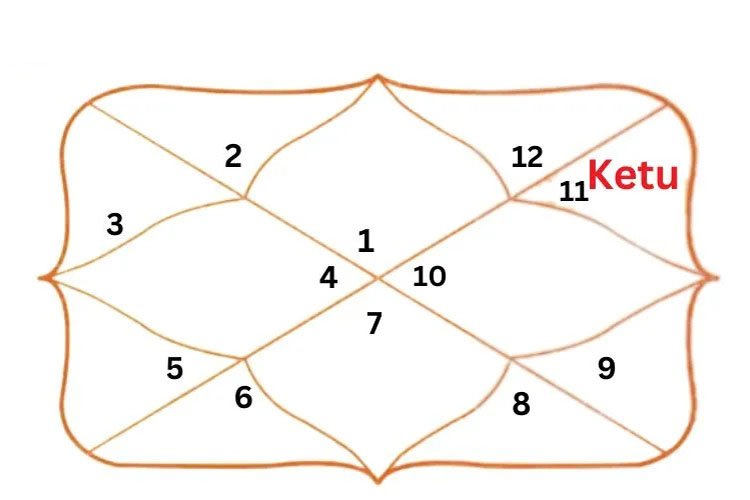
Ketu in the 11th house signifies detachment from material gains, social approval, and fulfillment of desires. This placement shows past-life experience related to wealth, achievements, or large social networks, making the native less emotionally attached to profits and recognition in this life. Gains may come suddenly or unexpectedly, but true satisfaction is found only through higher purpose, spiritual growth, or humanitarian goals rather than accumulation.
- Detachment from money, profits, and material gains
- Reduced emotional satisfaction from achievements
- Past-life association with wealth or social influence
- Unconventional or sudden income patterns
- Limited or selective social circles
- Freedom from excessive desire and greed
- Focus on higher, spiritual, or humanitarian objectives
Personality Traits
Individuals with Ketu in the 11th house tend to be selective about friendships and social involvement. They may appear socially distant, reserved, or uninterested in large groups. Such natives value meaningful connections over popularity and often feel more comfortable working independently rather than relying on networks.
- Emotionally detached from social recognition
- Selective and limited friendships
- Unconventional attitude toward success and gains
- Independent and inward-focused mindset
- Disinterest in social validation
Strengths of Ketu in 11th House
Ketu in the 11th house grants freedom from excessive desire and greed. The native can rise above material obsession and maintain emotional balance during gains or losses. This placement supports spiritual maturity, non-attachment, and the ability to pursue higher goals without being distracted by peer pressure or comparison.
- Detachment from material gains
- Ability to remain balanced in success and failure
- Independence from social pressure
- Spiritual maturity and contentment
- Focus on higher or humanitarian goals
Challenges and Shadow Side
The major challenge of Ketu in the 11th house is inconsistency in income and fulfillment of desires. The native may experience sudden gains followed by detachment or losses. There can also be feelings of isolation, difficulty maintaining long-term friendships, or confusion about personal ambitions.
- Fluctuating income or gains
- Lack of satisfaction despite achievements
- Social isolation or distance from friends
- Difficulty setting or sustaining goals
- Confusion regarding long-term desires
Remedies – Short & Effective
Balancing Ketu in the 11th house requires cultivating gratitude, purpose, and mindful goal-setting. Engaging in humanitarian work and maintaining humility helps channel Ketu's detached energy constructively. Strengthening social responsibility while avoiding material obsession brings stability and peace.
- Chant Ketu mantra ("Om Ketave Namah") regularly
- Practice gratitude for gains and opportunities
- Engage in charitable or humanitarian service
- Maintain ethical income sources
- Build meaningful, value-based relationships
Lal Kitab Remedies for Ketu in the 11th House
In Lal Kitab astrology, Ketu in the 11th house affects gains, income, social circle, friendships, elder siblings, aspirations, and fulfillment of desires. This placement can create fluctuating income, delays in achieving goals, misunderstandings with friends or elder siblings, and challenges in social networking. The native may be intelligent and ambitious but may feel detached from material gains or unfulfilled in social recognition, as Ketu encourages spiritual focus and detachment. Sudden gains or losses may occur, and financial stability may feel inconsistent without remedies. Lal Kitab recommends simple, practical, and karmic remedies to balance Ketu's effects. Feeding stray dogs, especially black or mixed-color dogs, is considered one of the most powerful remedies.
Daily worship of Lord Ganesha helps remove obstacles, attract positive opportunities, and bring clarity in achieving goals. Ethical behavior, honesty, and humility in social and financial matters are essential, as deceit, manipulation, or jealousy can worsen Ketu's influence. Charity, especially donating black and white clothes, blankets, sesame seeds, or food, brings positive results and balances karmic debts. Supporting underprivileged people, helping friends in need, or contributing to social causes strengthens social networks and brings fulfillment. Avoiding addictions, gambling, and unethical shortcuts in business or finances is strongly advised. Respect for elders, mentors, and senior friends ensures smooth gains and reduces conflicts. Consistent practice of these remedies gradually stabilizes income, improves social relations, and increases the fulfillment of aspirations despite Ketu's karmic influence.
Lal Kitab Remedies – Key Points
- Feed stray dogs, especially black or mixed-color dogs
- Serve animals selflessly and with responsibility
- Worship Lord Ganesha daily and chant Om Gan Ganapataye Namah
- Donate black and white clothes, blankets, sesame seeds, or food
- Maintain honesty and ethical behavior in friendships and financial matters
- Avoid manipulation, jealousy, and deceit
- Help underprivileged people or friends in need
- Respect elders, mentors, and senior friends
- Avoid gambling, addictions, and shortcuts in business or finances
- Practice discipline and patience for steady gains and fulfillment of desires
- Focus on long-term social and financial stability