Introduction to Moon Phases and Indian Festivals
The Moon has always held a sacred and symbolic place in Indian astrology and spiritual traditions. In Vedic thought, the Moon represents the mind, emotions, intuition, fertility, and nourishment. Its changing phases are not merely astronomical events but powerful energetic shifts that influence human consciousness, rituals, and cultural celebrations. Indian festivals are deeply connected to the lunar calendar, and most religious observances are determined by specific lunar days known as Tithis.
Unlike the solar Gregorian calendar, the traditional Hindu calendar follows the lunar cycle. Each month begins either with the New Moon (Amavasya) or the Full Moon (Purnima), depending on the regional system. The waxing phase (Shukla Paksha) symbolizes growth and expansion, while the waning phase (Krishna Paksha) represents release and introspection. Festivals, fasts, and spiritual practices are aligned with these phases to harmonize human life with cosmic rhythms.
Astronomical and Astrological Understanding of Moon Phases
Astronomically, moon phases occur due to the changing position of the Moon relative to the Earth and Sun. Astrologically, each phase carries distinct vibrational energy that affects mood, decision-making, relationships, and spiritual sensitivity. The New Moon is associated with introspection and beginnings, while the Full Moon enhances emotional intensity and clarity.
In Vedic astrology, the Moon’s strength in a birth chart plays a crucial role in determining mental stability and prosperity. Certain festivals are celebrated precisely during Full Moon or New Moon because these phases amplify spiritual intentions. The lunar cycle is divided into 30 tithis, each having unique significance in ritual timing and auspicious activities.
- 30 Tithis form one lunar month
- New Moon linked with silence and reflection
- Full Moon connected with completion and devotion
- Moon strength impacts mental well-being
Full Moon (Purnima) Festivals in India
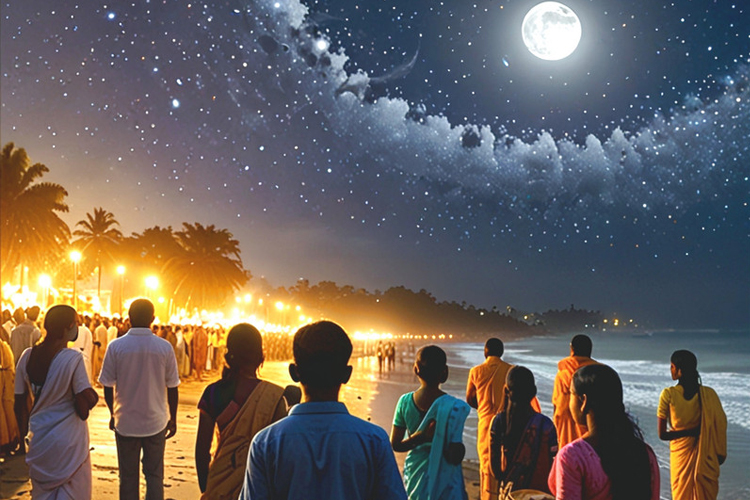
Full Moon days are considered highly auspicious in Indian culture. The brightness of the Moon symbolizes spiritual illumination and divine grace. Many major festivals are celebrated on Purnima because this phase enhances devotional energy and collective celebration.
Important Full Moon festivals include Guru Purnima, dedicated to spiritual teachers; Holi, the festival of colors; Sharad Purnima, associated with prosperity and moonlight blessings; and Buddha Purnima, marking the birth of Gautama Buddha. These festivals promote gratitude, joy, wisdom, and spiritual upliftment.
- Symbol of completeness and divine light
- Ideal time for meditation and charity
- Strengthens devotional practices
- Enhances emotional sensitivity
New Moon (Amavasya) and Spiritual Observances
Amavasya, or the New Moon, is considered a powerful time for introspection and ancestral rituals. The absence of moonlight represents inner reflection and karmic cleansing. Many families perform Pitru Tarpan (ancestral offerings) during Amavasya to honor departed souls.
Significant observances such as Diwali and Mahashivratri occur near or on the New Moon, symbolizing the triumph of light over darkness and spiritual awakening. This phase encourages detachment, forgiveness, and renewal.
- Time for ancestral rituals
- Encourages inner reflection
- Associated with karmic cleansing
- Powerful for spiritual discipline
Waxing and Waning Phases in Festival Planning
The waxing phase (Shukla Paksha) begins after Amavasya and leads to Purnima. It is considered highly auspicious for weddings, housewarming ceremonies, and new ventures. Growth-oriented festivals are often celebrated during this phase to align with expanding lunar energy.
The waning phase (Krishna Paksha) begins after Purnima and ends at Amavasya. It is more suitable for spiritual austerity, fasting, and self-discipline. Festivals like Krishna Janmashtami occur during Krishna Paksha, symbolizing divine descent during darker times.
- Shukla Paksha favors new beginnings
- Krishna Paksha supports spiritual discipline
- Weddings often planned in waxing phase
- Fasting common during waning phase
Cultural and Psychological Impact of Lunar Festivals
Moon-based festivals strengthen community bonds and emotional unity. The rhythmic cycle of celebration every lunar month keeps society spiritually aligned and culturally vibrant. Observing fasts and rituals according to lunar timing also creates mental discipline and awareness of natural cycles.
From an astrological perspective, participating in lunar festivals harmonizes the Moon’s energy within an individual’s horoscope. It reduces emotional instability and promotes peace of mind. The lunar calendar thus serves as both a spiritual guide and a psychological support system in Indian culture.
- Promotes social harmony
- Enhances emotional balance
- Encourages periodic self-reflection
- Aligns human life with cosmic rhythm