Significance of Lakshmi Puja Havan
Lakshmi Puja Havan is a sacred fire ritual performed to invoke the blessings of Goddess Lakshmi, the deity associated with wealth, prosperity, and abundance. In traditional spiritual practices, performing a havan during Lakshmi Puja is believed to purify the surroundings and attract positive energy into homes and workplaces. The sacred fire represents transformation and divine connection, and offerings made into the fire are considered symbolic acts of devotion and gratitude.
During the ritual, specific mantras and prayers are chanted while offering sacred ingredients into the havan kund. These offerings are believed to carry the prayers and intentions of devotees to the divine realm. The ritual is often performed during special occasions such as festivals, housewarming ceremonies, or important beginnings to seek prosperity and harmony.
Lakshmi Puja Havan is not only a religious practice but also a spiritual activity that encourages mindfulness, gratitude, and positive thinking. By performing the ritual with devotion and sincerity, devotees aim to invite prosperity, remove financial obstacles, and create a peaceful atmosphere within their surroundings.
Preparation for Lakshmi Puja Havan
Before beginning the Lakshmi Puja Havan, proper preparation of the space and ritual materials is essential. The place where the havan is performed should be clean, calm, and organized to create a sacred atmosphere. Many people choose a quiet area in the home or a designated prayer space where the havan kund can be safely placed. Cleaning the area and arranging all ritual items in advance helps maintain focus during the ceremony.
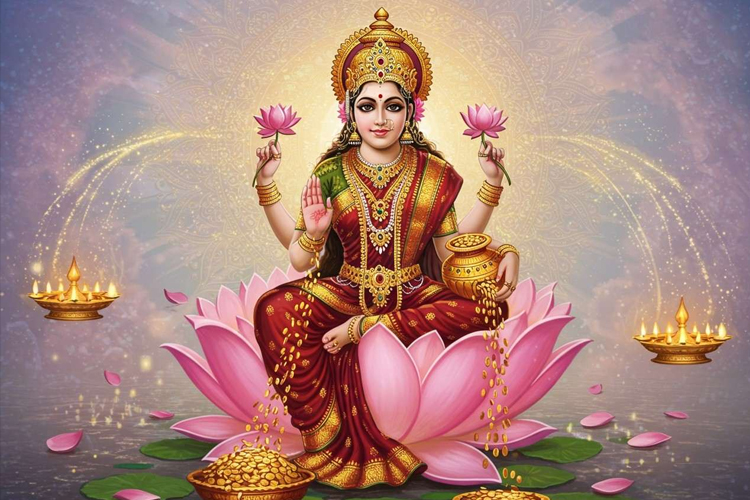
Various ingredients are required for the ritual, including havan samagri, clarified butter (ghee), wood sticks, and other sacred offerings. These items symbolize different natural elements and are offered into the fire while chanting mantras. Devotees may also decorate the space with flowers, lamps, and images or idols of Goddess Lakshmi to enhance the spiritual environment.
Preparation also involves mental readiness and devotion. Participants often begin the ritual with a calm and respectful mindset, focusing their thoughts on gratitude and prosperity. Such preparation helps create a meaningful and spiritually uplifting experience during the havan ceremony.
- Select a clean and peaceful place for the havan
- Arrange havan kund and ritual items beforehand
- Use ingredients like ghee, wood, and havan samagri
- Decorate the space with flowers and lamps
- Maintain a calm and devotional mindset
Mantras and Ritual Process of Lakshmi Havan
The Lakshmi Puja Havan includes the chanting of sacred mantras dedicated to Goddess Lakshmi while making offerings into the sacred fire. These mantras are believed to invoke divine blessings and positive energy. The chanting process is often guided by traditional texts or by a priest who leads the ritual with proper pronunciation and sequence.
During the havan, offerings such as ghee, grains, herbs, and other sacred materials are placed into the fire after each mantra. The fire symbolizes purification and transformation, carrying the prayers and intentions of the participants to the divine. The rhythmic chanting of mantras along with the glowing fire creates a spiritually uplifting atmosphere.
Participants usually sit around the havan kund and actively take part in the offerings while focusing on their prayers and intentions. The ritual continues for a specific number of mantras or offerings depending on the tradition followed. At the end of the ceremony, prayers for prosperity, peace, and well-being are offered to conclude the havan.
- Sacred mantras are chanted during the havan
- Offerings are placed into the fire with each mantra
- Fire symbolizes purification and transformation
- Ritual may be guided by a priest or performed by devotees
Best Occasions for Performing Lakshmi Puja Havan
Lakshmi Puja Havan is often performed during important festivals and auspicious occasions associated with prosperity and new beginnings. One of the most common times for this ritual is during the festival of Diwali, when devotees worship Goddess Lakshmi to invite wealth and abundance into their homes and businesses. Performing the havan during this time is believed to enhance the spiritual significance of the celebration.
Apart from festivals, Lakshmi Havan may also be performed during housewarming ceremonies, business openings, or other important milestones. Many people conduct the ritual when starting new ventures or financial activities to seek blessings for success and stability. The ritual is also sometimes performed regularly as part of spiritual practices within families.
The timing of the havan is often chosen based on auspicious dates or favorable periods according to traditional beliefs. Performing the ritual during such times is thought to strengthen its spiritual impact and create a more positive atmosphere in the surroundings.
- Commonly performed during the festival of Diwali
- Suitable for housewarming and business openings
- Performed during important life milestones
- May be done regularly for spiritual practice
Spiritual and Cultural Importance of Lakshmi Havan
Lakshmi Puja Havan holds both spiritual and cultural significance in many traditions. The ritual represents devotion, gratitude, and the desire for prosperity and well-being. By offering prayers through the sacred fire, devotees symbolically surrender their worries and seek divine guidance for a balanced and prosperous life.
The ceremony also brings families and communities together in a shared spiritual experience. When performed collectively, it creates a sense of unity and devotion among participants. The chanting of mantras, the glow of the sacred fire, and the aroma of ritual offerings contribute to a peaceful and uplifting atmosphere.
Culturally, such rituals help preserve traditional knowledge and practices passed down through generations. They serve as reminders of the values of gratitude, discipline, and respect for spiritual traditions. Through these ceremonies, individuals connect with both their spiritual beliefs and cultural heritage.
- Represents devotion and gratitude toward prosperity
- Creates a peaceful and spiritual atmosphere
- Encourages family and community participation
- Preserves traditional rituals and beliefs
Benefits of Performing Lakshmi Puja Havan
Performing Lakshmi Puja Havan is believed to bring spiritual and emotional benefits to participants. The ritual helps create a positive environment by purifying the surroundings and encouraging a sense of calmness and devotion. The act of offering prayers and chanting mantras can also promote mental clarity and a positive mindset.
Many people perform this havan with the intention of inviting prosperity, removing financial obstacles, and achieving stability in their lives. While the ritual is rooted in spiritual beliefs, it also encourages values such as gratitude, discipline, and mindfulness. Participating in such practices can inspire individuals to focus on positive intentions and constructive actions.
In addition to spiritual benefits, the ritual creates an atmosphere of harmony and peace within the home or workplace. The combined elements of fire, mantra chanting, and devotion make the ceremony a meaningful experience that strengthens faith and positivity among participants.
- Promotes a peaceful and positive atmosphere
- Encourages gratitude and mindfulness
- Symbolically invites prosperity and abundance
- Helps strengthen spiritual connection and faith