Introduction to the Sun
The Sun, widely known as Surya, is the heart of the solar system and the most vital source of energy for all living beings on Earth. It is a gigantic sphere of burning gases that continuously radiates light and heat, sustaining life and maintaining balance in nature. From ancient civilizations to modern science, the Sun has always been recognized as a symbol of power, stability, and life. Without the Sun's energy, the Earth would become lifeless and frozen. In astrology, the Sun is regarded as the king of all planets and represents the core essence of an individual, known as the Atma or soul. It reflects one's inner strength, confidence, dignity, and ability to stand independently in life.
Beyond its physical presence, the Sun holds immense cultural, scientific, and spiritual value. It has been worshipped across civilizations as a divine force that removes darkness and ignorance. The regular rising and setting of the Sun also teaches discipline, consistency, and the importance of routine in human life.
Key Significations of the Sun
- Central body of the solar system
- Primary source of life and energy
- Worshipped in ancient civilizations
- Known as the king of planets
Astronomical Importance of the Sun
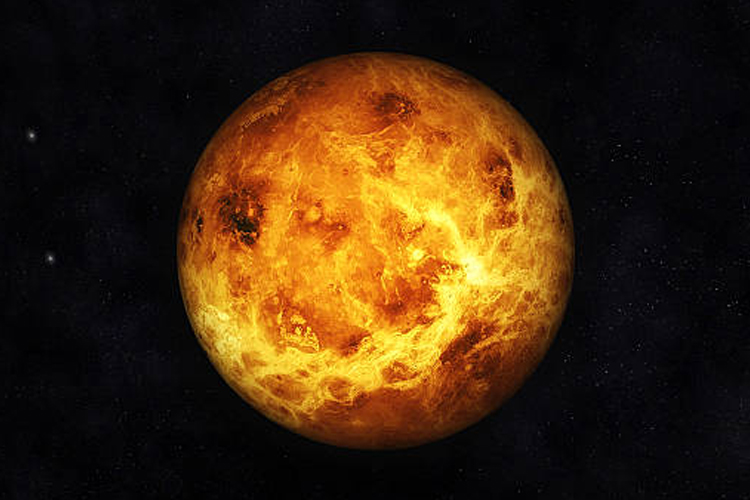
From a scientific perspective, the Sun lies at the center of the solar system and controls the motion of all planets through its immense gravitational force. It is composed mainly of hydrogen and helium, where nuclear fusion continuously produces energy. This energy travels through space in the form of sunlight, supporting all natural processes on Earth. The Sun governs the cycle of day and night, influences seasonal changes, and plays a critical role in maintaining Earth's climate and weather systems.
The Sun also enables photosynthesis, the process through which plants produce food, forming the foundation of all life chains. Its energy regulates ocean currents, wind patterns, and environmental balance. Any significant change in the Sun's activity can directly impact life on Earth, highlighting its crucial astronomical role.
Key Astronomical Features
- Composed mainly of hydrogen and helium
- Holds planets in orbit through gravity
- Causes day, night, and seasonal cycles
- Supports photosynthesis and ecosystems
Astrological Significance of the Sun
In astrology, the Sun represents the Atma, or the inner soul, and reflects a person's identity, confidence, authority, and leadership qualities. It governs the ego, ambition, and desire for recognition. The position and strength of the Sun in a horoscope determine how confidently a person expresses themselves and how they handle authority and responsibility. A well-placed Sun grants honor, success, fame, and respect in society.
The Sun also signifies the father, government, administration, and powerful institutions. It shows one's relationship with authority figures and their role in society. When the Sun is weak or afflicted, it may cause low self-esteem, lack of direction, struggles with authority, or delayed success.
Key Astrological Significations
- Represents the soul and self-identity
- Symbol of leadership and authority
- Indicates fame, respect, and honor
- Connected with government and administration
Influence of the Sun on Human Life
The Sun deeply influences an individual's personality, behavior, and life path. It provides courage, determination, and the strength to overcome challenges. People with a strong Sun often possess natural leadership qualities and the confidence to take responsibility. They are goal-oriented, disciplined, and driven by a sense of purpose.
The Sun also shapes one's moral values and sense of right and wrong. It inspires honesty, integrity, and a desire to live with dignity. A balanced Sun helps individuals remain focused and self-assured, while an imbalanced Sun may lead to arrogance, fear of failure, or lack of motivation.
Key Influences
- Enhances confidence and ambition
- Encourages leadership qualities
- Builds discipline and determination
- Affects social status and reputation
Health and Physical Effects of the Sun
The Sun governs vitality and physical energy in the human body. It is closely associated with the heart, eyes, bones, and immune system. A strong Sun provides good health, endurance, and strong immunity, enabling the body to resist illness. It also supports mental clarity and overall physical balance.
However, an afflicted Sun may cause health problems such as heart disorders, eye strain, bone weakness, or chronic fatigue. Maintaining balance through discipline, routine, and healthy lifestyle habits is often associated with strengthening the Sun's influence.
Health Associations
- Governs heart and eyesight
- Controls vitality and immunity
- Influences bones and posture
- Affects overall physical energy
Symbolism and Spiritual Meaning of the Sun
Spiritually, the Sun symbolizes truth, wisdom, clarity, and enlightenment. It represents the removal of darkness and ignorance from life. The Sun teaches the importance of discipline, responsibility, and righteous living. Just as the Sun rises every day without fail, it inspires consistency and dedication in spiritual and personal growth.
In spiritual traditions, the Sun is seen as the source of divine light and consciousness. It encourages self-realization, inner awakening, and alignment with higher principles. A spiritually strong Sun guides individuals toward purpose, self-respect, and inner strength.
Spiritual Significations
- Symbol of truth and enlightenment
- Represents discipline and righteousness
- Encourages moral values
- Guides spiritual awareness
Planetary Remedies Sun
Planetary Remedies are traditional astrological practices aimed at balancing planetary energies in a person's horoscope. Among all planets, Sun (Surya) holds the highest importance as it represents soul strength, authority, confidence, leadership, health, and fatherly influence.
When the Sun is weak or afflicted, a person may face issues related to self-esteem, career stability, government matters, or physical vitality. The following remedies focus specifically on strengthening the Sun's positive influence.
Sun Gemstone Remedy
The gemstone remedy for the Sun involves wearing Ruby (Manikya), which is considered one of the most powerful gemstones in Vedic astrology. Ruby resonates strongly with solar energy and helps activate confidence, leadership, and decision-making abilities. When worn correctly and after proper astrological evaluation, Ruby strengthens the Sun's placement and enhances personal authority, courage, and motivation.
It is particularly useful for individuals seeking recognition in their profession, leadership roles, or government-related success. However, since Ruby is a powerful gemstone, it should always be worn after expert guidance to avoid adverse effects.
- Gemstone: Ruby (Manik)
- Metal: Gold or copper
- Finger: Ring finger of the right hand
- Day: Sunday
- Purpose: Enhances confidence, authority, and recognition
Sun Yantra Remedy
The Sun Yantra is a sacred geometric diagram that represents the concentrated energy of Surya. It acts as a spiritual tool to attract positive solar vibrations and neutralize malefic influences related to the Sun. Regular worship of the Sun Yantra helps strengthen mental clarity, discipline, and inner stability.
This remedy is particularly effective for those who cannot wear gemstones or prefer non-physical remedies. The Sun Yantra also supports professional growth, removes obstacles related to authority, and enhances spiritual awareness by aligning the individual with cosmic solar energy.
- Best placed in a clean prayer area or workplace
- Energized on Sunday morning for best results
- Worship with red flowers and sandalwood
- Helps reduce Sun-related doshas and career obstacles
Sun Mantra Remedy
Mantra chanting is one of the most profound remedies for strengthening the Sun because sound vibrations directly influence planetary energies. Chanting Sun mantras regularly purifies negative karmic impressions and awakens inner strength, discipline, and focus. This remedy not only improves material success but also nurtures spiritual growth by connecting the individual to solar consciousness.
Morning mantra chanting at sunrise is especially powerful, as it aligns the chanter's energy with the rising Sun, enhancing vitality and positivity throughout the day.
- Main Mantra: Om Hraam Hreem Hraum Sah Suryaya Namah
- Best Time: Sunrise
- Direction: Facing east
- Chant Count: 108 times daily
- Benefits: Improves vitality, focus, and authority
Sun Donation (Daan)
Donation (Daan) is a karmic remedy that helps balance the Sun's energy by cultivating humility, gratitude, and selflessness. Sun-related donations are especially effective when performed on Sundays with pure intention and respect. These acts of giving help reduce ego-related issues, improve relationships with authority figures, and attract recognition through ethical means.
Donation remedies are gentle yet highly effective and can be practiced by anyone regardless of age or astrological knowledge. The key is sincerity and consistency in practice.
- Wheat, jaggery, and red cloth
- Copper utensils
- Red fruits or sweets
- Support to father figures or elderly men
- Performed preferably on Sunday morning